Introduction to Duck Jokes
Duck jokes have waddled their way into the hearts of humor lovers across generations. From playground giggles to social media captions, these light-hearted quips rely on clever wordplay, silly scenarios, and universally recognizable animal behavior. Ducks are naturally expressive creatures—their waddling walk, distinctive quack, and love of ponds make them perfect subjects for playful exaggeration. Because of these traits, duck jokes have become a staple in family-friendly comedy, offering clean, accessible humor that resonates with both children and adults. Whether told at a birthday party or shared in a classroom, a well-timed duck joke can instantly lift the mood.
What makes duck jokes especially appealing is their flexibility. They can be short and snappy one-liners, interactive knock-knock jokes, or elaborate storytelling setups with surprising punchlines. Writers and comedians often lean on duck-related vocabulary such as “bill,” “quack,” “feathers,” and “webbed feet” to create puns that are easy to understand and fun to repeat. The simplicity of the subject allows for endless creativity, making duck jokes a reliable source of laughter in nearly any situation. In this comprehensive guide, you’ll explore the popularity, structure, variations, and creative potential of duck jokes—and learn how to craft your own quacking masterpiece.
Why Duck Jokes Are So Popular
One of the main reasons duck jokes are so popular lies in their reliance on puns. Wordplay is one of the oldest forms of humor, and ducks provide a treasure trove of pun-friendly terms. The word “quack” alone can replace countless similar-sounding words, creating instant comedic twists. Add in terms like “bill,” “down,” “waddle,” and “feather,” and you have a built-in vocabulary for endless humor. Because these words are simple and familiar, the punchlines feel satisfying rather than complicated. Even young children can grasp the joke, which broadens its appeal across age groups.
Another factor driving the popularity of duck jokes is the visual comedy associated with ducks. Their waddling movement, dramatic flapping, and enthusiastic splashing create mental images that enhance the humor. When someone hears a duck joke, they often picture the scene in their mind, which makes the punchline more vivid and memorable. Ducks are also frequently featured in cartoons, storybooks, and nursery rhymes, further cementing their place in light-hearted entertainment. The combination of visual charm and verbal wit ensures that duck jokes remain timeless.
Classic Duck Jokes Everyone Should Know
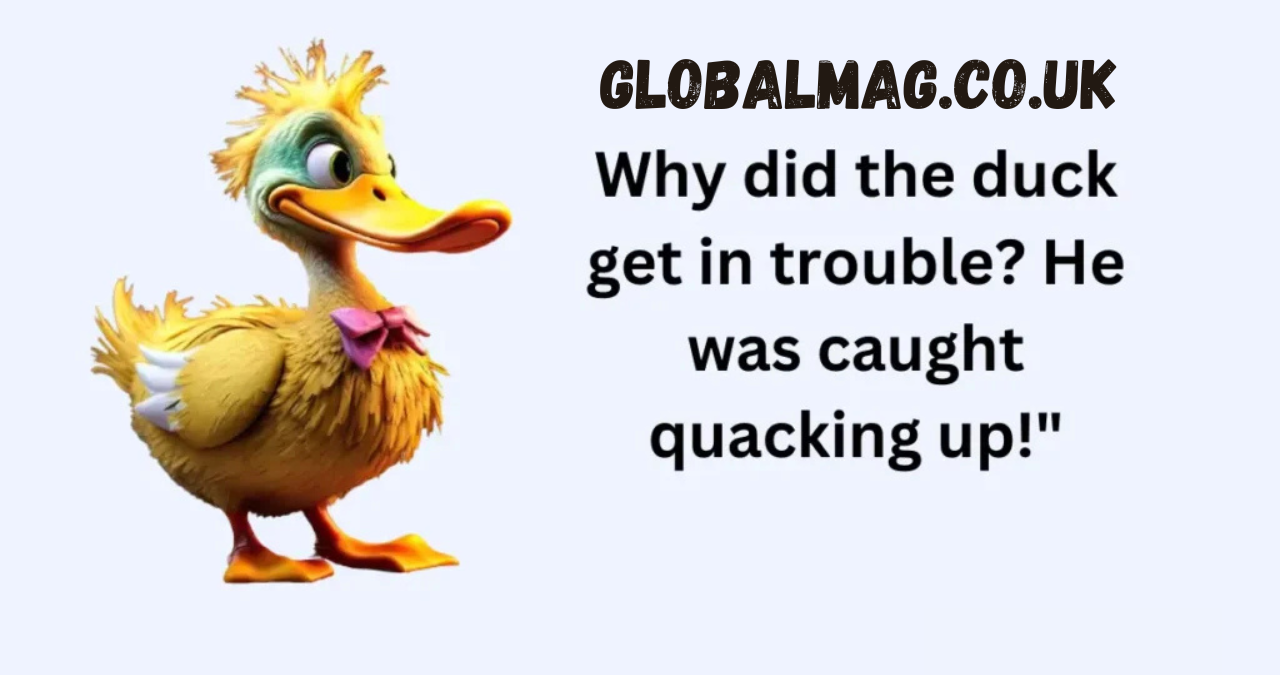
Classic duck jokes typically follow tried-and-true formats that make them easy to remember and retell. One-liners are especially effective because they deliver a quick punch without requiring a lengthy setup. For example, many jokes revolve around playful misunderstandings involving a duck’s bill or exaggerated interpretations of “quacking up.” These jokes rely on simplicity and rhythm, ensuring that the punchline lands quickly and cleanly. Their straightforward structure makes them perfect for icebreakers or casual conversation.
Knock-knock and question-and-answer formats are equally popular in the world of duck humor. These structures invite audience participation, which increases engagement and anticipation. A classic “What do you call a duck who loves making jokes?” setup encourages listeners to think before the punchline delivers a humorous twist. The predictability of the format provides comfort, while the unexpected wordplay delivers the surprise. Because of this balance, classic duck jokes continue to circulate in classrooms, family gatherings, and online communities.
Types of Duck Jokes
Duck jokes come in many delightful varieties, each appealing to a slightly different sense of humor. Pun-based duck jokes dominate the category, leveraging word substitution to create clever twists. For instance, phrases from everyday speech can be transformed into duck-themed punchlines by replacing one word with a related duck term. This technique keeps the joke accessible while still feeling creative. The abundance of duck-related vocabulary ensures that writers never run out of material for fresh puns.
Beyond puns, there are absurd and exaggerated duck jokes that rely on imaginative storytelling. These jokes might feature ducks in unlikely scenarios—working office jobs, performing stand-up comedy, or solving mysteries. The humor stems from placing an ordinary duck in an extraordinary situation. Meanwhile, “dad-style” duck jokes embrace groan-worthy punchlines that are intentionally cheesy. The charm lies in their predictability and playful tone. Together, these different styles showcase the versatility of duck humor and its ability to entertain diverse audiences.
Duck Jokes for Different Audiences
Duck jokes are remarkably adaptable, which makes them suitable for a variety of audiences. For children, simplicity is key. Short sentences, clear setups, and obvious wordplay ensure that young listeners understand and enjoy the humor. Visual elements—like describing a duck slipping on a banana peel—add an extra layer of fun. Teachers often use duck jokes to lighten the classroom atmosphere, reinforce vocabulary, or encourage creative writing exercises.
For adults, duck jokes can incorporate more nuanced wordplay and situational humor. Clever double meanings and subtle references make the jokes feel fresh and sophisticated without crossing into inappropriate territory. Social media has also given duck jokes a new platform. Short, witty captions paired with duck photos or illustrations can quickly go viral. The bite-sized nature of online humor aligns perfectly with the concise punchlines typical of duck jokes, making them ideal for modern digital audiences.
How to Write Your Own Duck Jokes
Crafting your own duck joke begins with understanding basic joke structure. Every effective joke has a setup and a punchline. The setup creates expectation, while the punchline delivers surprise. In duck jokes, the setup often introduces an everyday situation, and the punchline flips it with a duck-related twist. Timing is crucial; the punchline should follow naturally yet unexpectedly. Practicing aloud helps refine rhythm and ensures the joke flows smoothly.
Brainstorming duck-related words is another essential step in the writing process. Create a list that includes physical traits, sounds, habitats, and behaviors. Then, think of common phrases that sound similar to those words. This word association method often sparks creative connections that form the backbone of a joke. Once you have a draft, test it with friends or family to gauge their reaction. Adjust the wording for clarity and brevity, focusing on making the punchline as sharp and surprising as possible.
The Psychological Benefits of Silly Humor
While duck jokes may seem trivial, they offer genuine psychological benefits. Light-hearted humor triggers laughter, which reduces stress and releases endorphins. In group settings, shared laughter fosters connection and strengthens social bonds. Because duck jokes are typically clean and non-offensive, they create a safe space for collective enjoyment. This inclusivity enhances their positive impact on mood and morale.
Additionally, engaging with playful humor encourages creativity. Writing or sharing duck jokes exercises linguistic flexibility and imaginative thinking. The act of transforming everyday language into something whimsical stimulates cognitive processes that support problem-solving and communication skills. In this way, duck jokes are more than simple entertainment—they are small but meaningful tools for enhancing well-being and mental agility.
Conclusion
Duck jokes have endured for generations because they combine simplicity, creativity, and universal charm. Their reliance on puns and playful imagery makes them accessible to people of all ages. Whether delivered as a quick one-liner, a knock-knock exchange, or an elaborate absurd scenario, duck jokes consistently inspire smiles and laughter. Their adaptability ensures they remain relevant in classrooms, family gatherings, and online platforms alike.
As you’ve discovered, creating duck jokes is both fun and rewarding. With a little wordplay and imagination, anyone can craft a joke that makes others “quack up.” By embracing the light-hearted spirit of duck humor, you not only entertain your audience but also contribute to a culture of positivity and shared joy. So spread your wings, dive into creativity, and let the laughter ripple across the pond.
Frequently Asked Questions (FAQs)
1. Why are duck jokes so popular?
They rely on simple wordplay and universally recognizable traits, making them accessible and memorable.
2. Are duck jokes suitable for children?
Yes, most duck jokes are clean and family-friendly.
3. What makes a good duck pun?
A clever substitution of duck-related words that creates a surprising twist.
4. Can duck jokes be used in classrooms?
Absolutely. They can enhance engagement and encourage creative thinking.
5. How do I write an original duck joke?
Start with a common phrase, replace part of it with a duck-related term, and refine the punchline for clarity.