Introduction
In Norway, wildlife management is more than a national concern—it’s a local responsibility shaped by community participation and legal oversight. At the heart of this system lies the viltnemnda, or wildlife management committees, which play a crucial role in balancing human activity with environmental conservation. These committees are tasked with managing the delicate equilibrium between wildlife populations, hunting practices, and ecological sustainability, making them essential to Norway’s approach to responsible wildlife stewardship.
Viltnemnda operates at a local level, giving communities a voice in decision-making that affects both the natural environment and human livelihoods. From regulating hunting quotas to resolving conflicts between humans and wildlife, the committees ensure that decisions are grounded in both law and practical experience. The unique structure of viltnemnda reflects Norway’s commitment to decentralized governance, ensuring that local knowledge and environmental expertise guide wildlife management policies.
In recent years, viltnemnda has become increasingly significant due to rising environmental concerns, climate change, and growing human-wildlife conflicts. Understanding how these committees function is vital not only for hunters and farmers but also for anyone invested in Norway’s environmental future. This article explores the history, structure, responsibilities, and challenges of viltnemnda, providing a comprehensive guide to Norway’s community-driven wildlife management system.
The History and Formation of Viltnemnda
The concept of community-managed wildlife governance in Norway has roots dating back several decades. Initially, wildlife management was primarily the responsibility of national authorities, but it soon became clear that localized decision-making was essential for effective regulation. In response, viltnemnda was established as part of a broader effort to empower municipalities while maintaining adherence to national environmental standards. These committees were formally defined under Norway’s Wildlife Act, giving them the authority to regulate hunting, monitor wildlife populations, and advise on conservation initiatives.
Historically, hunting was a critical part of rural Norwegian life, serving both subsistence and recreational purposes. However, unregulated hunting led to population declines and conflicts with agriculture, prompting the creation of a structured governance system. Viltnemnda was designed to ensure that hunting practices were sustainable, transparent, and legally compliant. Over time, the committees expanded their responsibilities to include broader ecological concerns, reflecting a modern understanding of wildlife management that encompasses biodiversity, habitat preservation, and human-wildlife interactions.
The evolution of viltnemnda also mirrors societal changes in Norway. As environmental awareness grew and local communities became more involved in policy-making, the committees adapted to include diverse representation. Today, viltnemnda is not just about hunting regulations; it is a hub for conservation planning, conflict resolution, and community engagement, ensuring that wildlife management reflects both ecological needs and local priorities.
Structure and Organization
Viltnemnda is structured to reflect a balance between expertise, representation, and accountability. Typically, each committee consists of members drawn from local government, experienced hunters, landowners, and sometimes environmental experts. The inclusion of different perspectives ensures that decisions are well-rounded and informed by both practical experience and scientific insight. Leadership roles within the committee, such as the chairperson or secretary, are responsible for coordinating meetings, facilitating public consultations, and overseeing the implementation of decisions.
The appointment process for viltnemnda members is designed to maintain fairness and transparency. Members are often nominated or elected by local authorities, with terms that allow for continuity while encouraging fresh perspectives. In some regions, membership rotates to ensure broad community involvement, reflecting Norway’s commitment to democratic participation at the municipal level.
Regional variations also exist, as Norway’s diverse geography and wildlife populations demand tailored management strategies. For example, a viltnemnda in a mountainous area with large populations of moose or reindeer may operate differently from one in a coastal region with a focus on seabirds or smaller mammals. Despite these differences, all committees operate under the legal framework established by the Wildlife Act, ensuring consistency in objectives while allowing flexibility in local implementation.
Roles and Responsibilities
The primary responsibility of viltnemnda is managing wildlife populations sustainably. This involves setting hunting quotas based on population surveys, monitoring species health, and coordinating with environmental authorities to maintain ecological balance. By regulating hunting practices, the committees prevent overhunting and protect vulnerable species, ensuring that Norway’s wildlife resources remain healthy and abundant for future generations.
In addition to population management, viltnemnda serves as a mediator in human-wildlife conflicts. Farmers, landowners, and communities often face challenges from large predators such as bears or wolves, or from herbivores like moose damaging crops. The committee evaluates these situations and implements practical solutions, balancing the needs of humans with the requirements of wildlife conservation.
Viltnemnda also plays a role in reporting and coordinating with national wildlife authorities, providing data and recommendations that shape broader conservation strategies. Their responsibilities include habitat preservation, monitoring invasive species, and advising on environmental regulations. By acting as the local interface between communities and government agencies, viltnemnda ensures that wildlife management is both scientifically informed and socially responsible.
How Viltnemnda Affects Local Communities
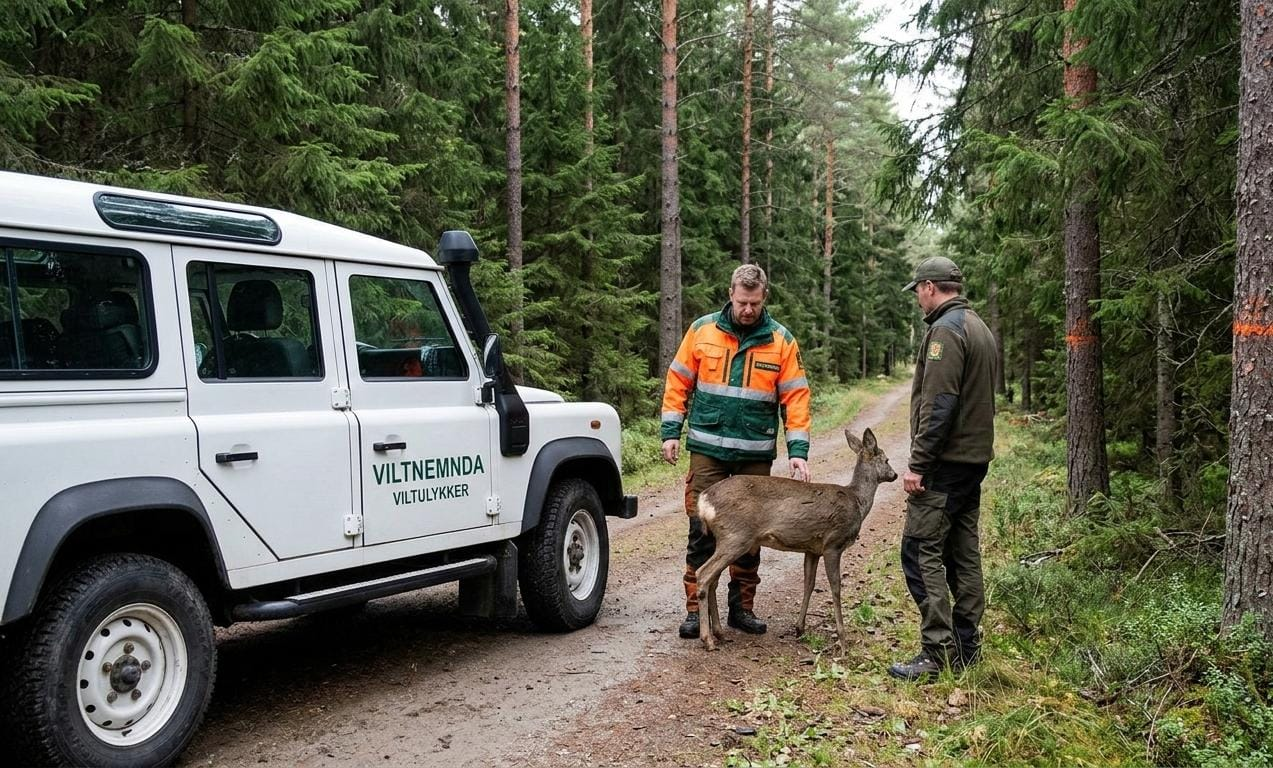
The decisions made by viltnemnda have tangible effects on local communities. Hunting regulations, for instance, directly influence the recreational and subsistence practices of rural populations. By managing quotas and permits, the committees ensure that hunting is sustainable, minimizing ecological disruption while supporting traditional cultural practices. Communities also benefit from organized wildlife management, which reduces the risk of crop damage and livestock predation.
Public participation is a cornerstone of viltnemnda’s operations. Meetings are often open to residents, allowing community members to voice concerns, submit proposals, and appeal decisions. This participatory approach ensures that wildlife management policies are not imposed from above but developed collaboratively, reflecting local knowledge and priorities. Several case studies across Norway have shown that community engagement leads to more effective and widely accepted outcomes, strengthening trust between authorities and citizens.
By fostering dialogue and cooperation, viltnemnda also enhances environmental awareness within communities. Residents gain insights into population dynamics, conservation practices, and sustainable hunting, promoting a culture of responsible stewardship. Overall, viltnemnda serves as a bridge between local needs and national conservation goals, ensuring that wildlife management benefits both nature and people.
Challenges Facing Viltnemnda Today
Despite its successes, viltnemnda faces ongoing challenges. One of the most pressing is balancing competing interests. Hunters, farmers, conservationists, and local authorities may have conflicting priorities, making decision-making complex. The committees must navigate these tensions carefully, ensuring that policies remain fair, evidence-based, and sustainable.
Climate change adds another layer of difficulty. Shifts in temperature, precipitation, and seasonal patterns affect wildlife behavior, migration, and population health. Viltnemnda must adapt management strategies to account for these environmental changes, requiring updated research, flexible policies, and proactive planning.
Resource constraints, including limited funding and personnel, further complicate operations. Effective wildlife management requires monitoring programs, data collection, and public outreach, all of which demand time and financial support. Committees often rely on volunteer contributions, partnerships, and community involvement to fill these gaps.
Conclusion
Viltnemnda exemplifies Norway’s innovative approach to decentralized, community-driven wildlife management. By combining local knowledge, legal authority, and environmental expertise, these committees ensure sustainable hunting, effective conflict resolution, and robust conservation practices. They are not just regulatory bodies but vital community institutions that bridge the gap between people and nature.
As challenges like climate change and habitat disruption grow, the role of viltnemnda will become increasingly important. Public participation, transparency, and collaboration remain key to maintaining healthy wildlife populations and resilient ecosystems. Understanding viltnemnda is essential for anyone invested in Norway’s environmental future, highlighting the importance of local governance in global conservation efforts.
FAQs
- What is viltnemnda?
Viltnemnda is a local wildlife management committee in Norway responsible for sustainable wildlife regulation and community engagement. - How are members of viltnemnda selected?
Members are typically nominated or elected by local authorities and include hunters, landowners, and community representatives. - Can the public attend viltnemnda meetings?
Yes, meetings are generally open to residents for consultation, proposals, and appeals. - How does viltnemnda decide hunting quotas?
Quotas are based on wildlife population surveys, conservation data, and environmental assessments. - What should I do if I have a conflict with wildlife on my property?
You should contact your local viltnemnda for guidance and potential intervention.