Introduction
Agnolotti is one of Italy’s lesser-known yet most exquisite pasta varieties, often overshadowed by the fame of ravioli or tortellini. Characterized by its delicate stuffed pockets, agnolotti offers a taste of Italian culinary tradition that has been perfected over centuries. While it may not be as commonly found on restaurant menus outside Italy, this stuffed pasta embodies the essence of regional Italian cuisine with its rich flavors and artisanal preparation techniques.
Originating from the Piedmont region in Northern Italy, agnolotti has a history steeped in local culture and culinary tradition. It was originally created as a way to utilize leftover roasted meats, blending them with fresh vegetables or cheeses to create a hearty yet elegant dish. Over time, it has evolved into a symbol of Italian craftsmanship, reflecting the balance between simplicity and sophistication that defines Italian gastronomy.
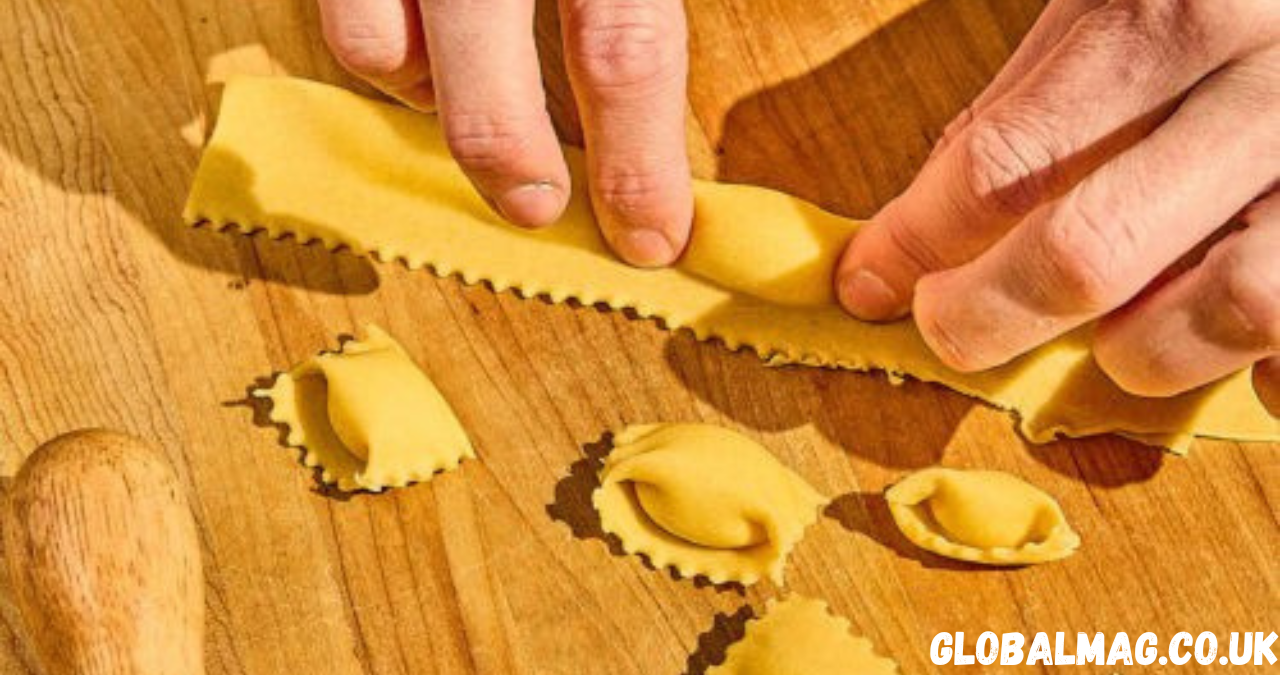
Agnolotti’s unique charm lies not only in its taste but in its shape and presentation. Unlike other stuffed pastas, agnolotti often comes in small, tightly sealed pockets, meticulously shaped by hand. This attention to detail ensures that each bite carries a burst of flavor, from the soft, tender pasta dough to the savory fillings. Exploring agnolotti is an invitation to appreciate the artistry behind Italian cooking and the cultural nuances embedded in each regional recipe.
In this guide, we will explore the history, types, ingredients, preparation techniques, and modern interpretations of agnolotti. By the end, readers will not only understand what makes this pasta so special but also gain inspiration to recreate this culinary gem in their own kitchens.
History and Origins of Agnolotti
Agnolotti has its roots deeply planted in the Piedmont region of Italy, known for its rich culinary heritage and abundance of fresh, local ingredients. The term “agnolotti” is believed to be derived from “Agnol,” a diminutive of the name Angelo, possibly referencing a local chef or a traditional family name associated with the creation of this pasta. Historically, agnolotti was a way to transform leftovers from Sunday roasts into something new and exciting, showcasing the Italian philosophy of resourcefulness in cooking.
Over the years, agnolotti has undergone numerous transformations. While the original recipes focused on simple ingredients such as roast meat, spinach, or ricotta cheese, modern chefs have expanded the fillings to include seasonal vegetables, mushrooms, and even seafood. Despite these variations, the essence of agnolotti remains intact: a small, delicate pasta pocket that captures the flavors of its filling with every bite.
Compared to other stuffed pastas like ravioli or tortellini, agnolotti is distinct not just in shape but also in tradition. Ravioli is generally larger with more generous fillings, while tortellini is often ring-shaped and smaller, frequently associated with Emilia-Romagna cuisine. Agnolotti, on the other hand, is defined by its precise pleated edges and bite-sized proportions, emphasizing both aesthetic appeal and flavor concentration. Its regional identity in Piedmont also ties it closely to local customs, seasonal produce, and specific holiday celebrations.
Understanding agnolotti’s history gives food enthusiasts a deeper appreciation of its culinary significance. It is not merely a dish but a cultural artifact, representing centuries of Italian ingenuity in transforming simple ingredients into meals that delight the senses and honor tradition.
Types of Agnolotti
Agnolotti comes in several varieties, each reflecting regional preferences, local ingredients, and traditional preparation methods. One of the most iconic types is Agnolotti del Plin, originating from the Langhe and Monferrato areas of Piedmont. The term “del Plin” translates to “pinched,” referring to the method of sealing the small pasta pockets with a gentle pinch, creating tiny, bite-sized dumplings. These are typically filled with roasted meat, spinach, or a combination of seasonal vegetables, making them a versatile choice for both festive occasions and everyday meals.
Another key distinction is between Agnolotti di Magro (vegetarian) and Agnolotti di Carne (meat-filled). Agnolotti di Magro usually contains spinach, ricotta, or other seasonal vegetables, making it lighter and suitable for vegetarian diets. Agnolotti di Carne, on the other hand, is heartier, often using leftover roast meats or braised cuts mixed with herbs and cheeses for depth of flavor. Each variation highlights how local ingredients influence the dish’s taste, texture, and overall character.
Modern chefs have also embraced creative interpretations of agnolotti, experimenting with fillings such as mushrooms, truffles, seafood, and even pumpkin or squash in seasonal recipes. While these contemporary versions may deviate from traditional Piedmontese recipes, they maintain the core principle of agnolotti: small, carefully crafted pasta pockets bursting with flavor. Exploring these types allows home cooks and food enthusiasts alike to experience the versatility and adaptability of this classic Italian dish.
Ingredients and Filling
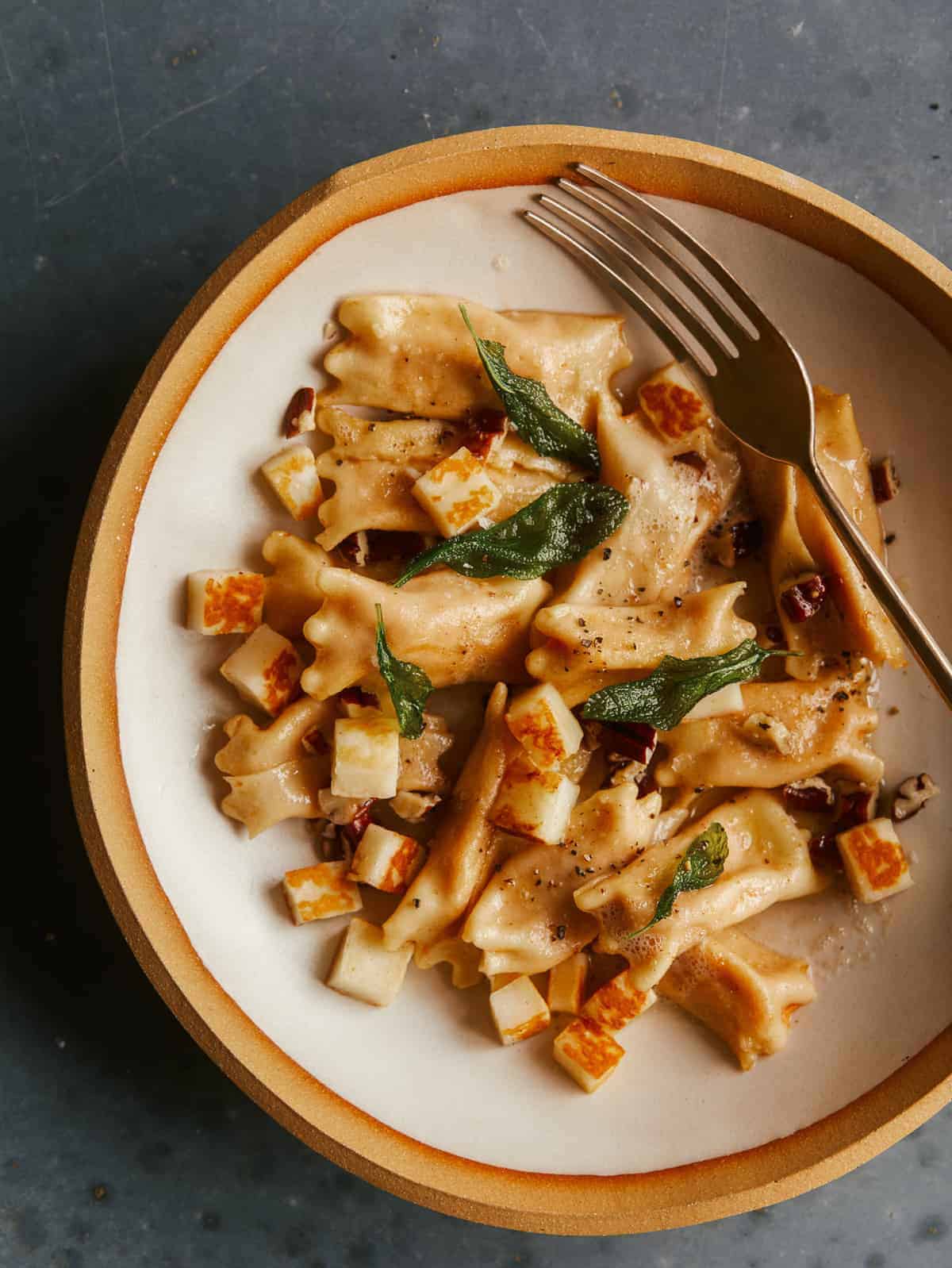
The magic of agnolotti lies in its fillings, which range from simple and traditional to bold and innovative. Classic agnolotti fillings often include a mixture of roasted meats, such as beef or veal, blended with ricotta cheese or sautéed vegetables. Spinach, Swiss chard, and pumpkin are frequently used in vegetarian versions, providing both texture and natural sweetness. Regional variations also dictate specific choices; for example, some Piedmontese recipes incorporate amaretti cookies or nutmeg to add subtle complexity to the filling.
Pairing the right filling with the pasta dough is crucial to achieving the perfect balance of flavors. The dough itself is typically made from high-quality flour and eggs, rolled thin enough to allow the filling to shine without overpowering the delicate texture. The choice of filling also influences sauce selection, as lighter vegetables pair well with butter or sage, while richer meat fillings complement tomato-based or cream sauces.
Sourcing fresh, authentic ingredients is key to achieving the traditional Piedmontese taste. Seasonal vegetables, locally sourced cheeses, and high-quality meats elevate the dish, making a significant difference in flavor. Even subtle elements like the type of butter, olive oil, or seasoning used can transform agnolotti from ordinary to exceptional. Understanding and respecting these ingredients is part of the artistry of preparing agnolotti, reflecting the importance of quality in Italian cuisine.
Making Agnolotti from Scratch
Preparing agnolotti at home may seem intimidating, but with careful attention to technique, it is entirely achievable. The process begins with creating a smooth, elastic pasta dough, made from flour and eggs, kneaded until pliable. Rolling the dough thinly is essential, as it allows the filling to remain the star of the dish while ensuring a tender bite.
Filling and shaping the pasta requires patience and precision. Small amounts of filling are placed on the dough, and the pasta is carefully folded and pinched to seal each pocket. For Agnolotti del Plin, the “pinch” method is used, producing tiny, uniform dumplings. Consistency in size ensures even cooking and a pleasing presentation. Homemade agnolotti, when properly shaped, can achieve a texture and flavor that rival even restaurant-quality pasta.
Cooking agnolotti is straightforward but demands attention. Boiling the pasta briefly until al dente is the most common method, followed by tossing in butter, sage, or sauce of choice. Overcooking can lead to delicate pockets bursting, so timing is crucial. Once cooked, agnolotti can be plated elegantly with complementary sauces or served as part of a multi-course Italian meal. Mastering this process unlocks a rewarding culinary experience and a deeper connection to Italian tradition.
Serving and Pairing Agnolotti
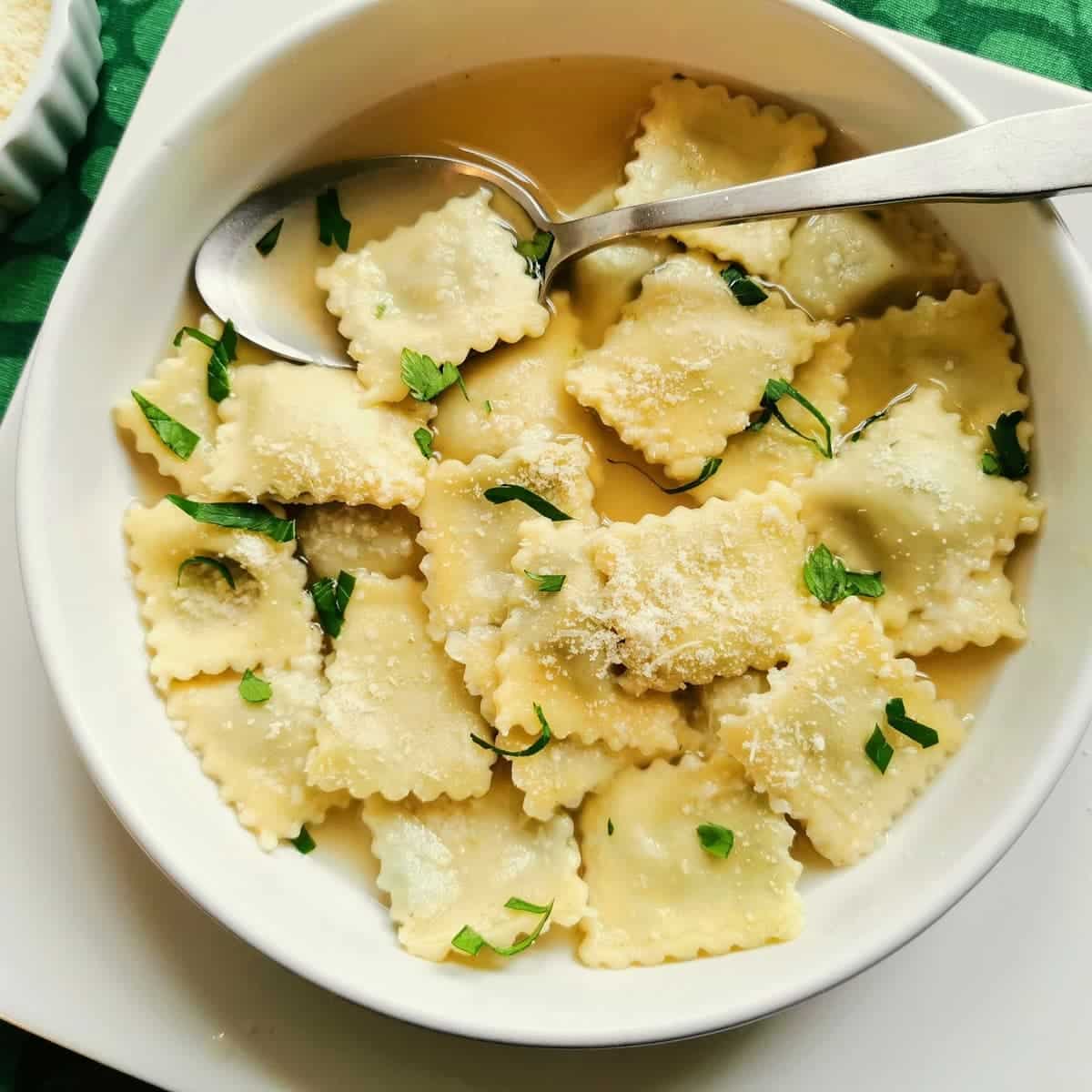
Serving agnolotti is both an art and a science, requiring thoughtful pairing with sauces, wines, and accompaniments. Classic options include sage and butter, which enhances the subtle flavors of vegetable-filled agnolotti, or a rich meat ragù for heartier meat-filled varieties. Cream-based sauces also work well with mild fillings, creating a luscious and satisfying dish. Presentation matters, as agnolotti is visually appealing in its delicate, pinched shape, often served in small, elegant portions to highlight its craftsmanship.
Wine pairing is an integral part of the experience. Lighter, vegetable-based agnolotti pairs beautifully with crisp white wines such as Pinot Grigio or Vermentino, while richer meat-filled versions are best enjoyed with bold reds like Barbera d’Asti or Nebbiolo. The harmony between the pasta, filling, sauce, and wine elevates the dish from a simple meal to a refined culinary experience.
Agnolotti also holds a special place in Italian celebrations. Whether served during festive holidays, family gatherings, or as part of a traditional tasting menu, it embodies hospitality, heritage, and attention to detail. Understanding these nuances allows food enthusiasts to appreciate agnolotti beyond taste, recognizing it as a symbol of Italian culture and culinary excellence.
Conclusion
Agnolotti may not be as universally recognized as other Italian pastas, but it represents one of the most refined and cherished elements of Piedmontese cuisine. From its historical origins and traditional fillings to its modern interpretations and serving styles, agnolotti is a testament to Italy’s dedication to flavor, craftsmanship, and cultural preservation.