
Introduction
Moving out of a rental property is often stressful, and one of the most critical tasks that tenants face is end of lease cleaning. This specialized type of cleaning is far more comprehensive than a regular house cleaning, requiring meticulous attention to detail to ensure that every corner of the property is spotless. Landlords and property managers typically use the condition of the property at the end of a lease to determine if a tenant’s bond or security deposit will be fully refunded. Failing to meet these expectations can result in deductions, causing unnecessary financial stress.
End of lease cleaning is more than just scrubbing surfaces; it’s a complete overhaul of a property’s hygiene and presentation. Tenants must carefully clean all areas, including kitchens, bathrooms, bedrooms, and often outdoor spaces. This type of cleaning addresses stubborn stains, grime, and accumulated dirt that standard weekly cleaning often overlooks. The purpose of this guide is to help tenants understand the process, avoid common pitfalls, and maximize their chances of a full bond refund, while also offering landlords a framework for assessing property condition.
By following this guide, you will gain a clear understanding of what end of lease cleaning entails, how to execute it effectively, and whether hiring professionals is worth considering. From room-by-room checklists to eco-friendly cleaning strategies, this comprehensive article covers everything you need to know to leave your rental property immaculate and stress-free.
Understanding End of Lease Cleaning
End of lease cleaning is a specialized cleaning process designed to meet landlord and property management standards at the conclusion of a tenancy. Unlike routine cleaning, which maintains a home on a weekly or monthly basis, end of lease cleaning is thorough, detailed, and often follows a specific checklist. Every surface, corner, and fixture must be addressed, from oven interiors to skirting boards, ensuring the property is in pristine condition.
Legally, tenants have obligations to return the property in a clean and well-maintained state. Lease agreements often include clauses that outline the expected condition of the property and the associated cleaning requirements. Failure to comply with these terms can lead to deductions from the tenant’s security deposit. Professional cleaning standards are often referenced during final inspections, which means tenants must meet a higher level of cleanliness than usual.
End of lease cleaning not only protects tenants’ financial interests but also ensures a smoother transition for incoming tenants. A well-cleaned property can prevent disputes, unnecessary repair costs, and delays in returning the bond. Understanding the distinction between regular cleaning and end of lease cleaning helps tenants plan their time, resources, and cleaning methods more effectively. Ultimately, this knowledge empowers tenants to approach the task methodically, leaving both the property and the landlord satisfied.
Essential Cleaning Checklist for Every Room
Kitchen
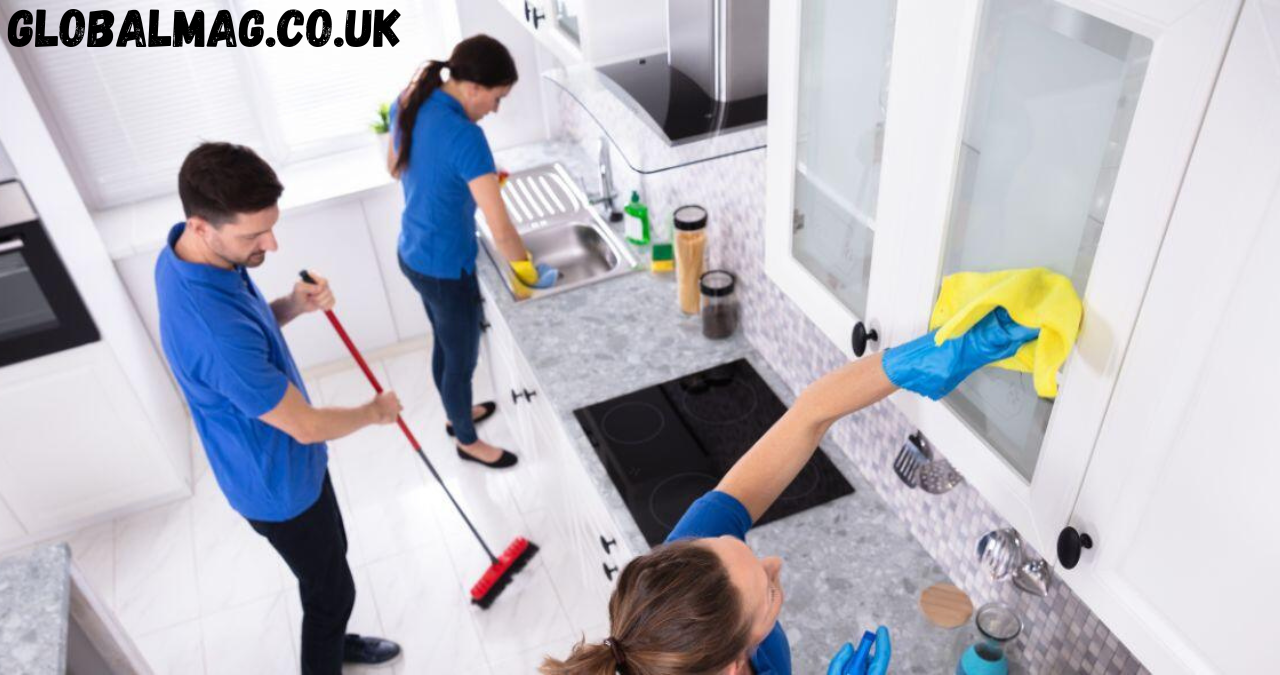
The kitchen is often the most labor-intensive area during end of lease cleaning. Appliances such as ovens, refrigerators, and microwaves tend to accumulate grease, food residue, and stubborn stains. Thorough cleaning involves removing all detachable parts, scrubbing interiors with appropriate cleaning solutions, and ensuring no residual odors remain. Cabinets and countertops should be wiped down, both inside and out, paying attention to corners and edges where crumbs and dust collect.
Sinks and taps require careful attention to remove lime scale and soap residue. Floors, walls, and backsplashes should be scrubbed to remove spills, stains, and splatters that may have gone unnoticed during regular cleaning. Even small details, such as cleaning light switches and handles, can significantly impact the overall presentation. Tenants should also ensure that all leftover food and trash are properly disposed of before final inspection. By addressing these areas systematically, tenants can prevent deductions and leave a positive impression on landlords.
Bathrooms
Bathrooms often pose a challenge due to the accumulation of grime, mold, and water stains. Tiles, grout, and shower areas require deep scrubbing to remove soap scum and mildew. Toilets, sinks, and mirrors must be polished until spotless, with attention to hard-to-reach areas like under sinks and behind toilets. Cabinets, shelves, and storage units should also be cleaned to remove dust and residue.
Proper ventilation is another critical aspect. Exhaust fans and vents should be dusted and wiped down to ensure they are free of mold and dirt. Floors need mopping with disinfectants, and any remaining toiletries or personal items must be removed. The goal is to restore the bathroom to a condition that is hygienic, fresh, and visually appealing. A clean bathroom reflects well on the tenant and ensures a smooth final inspection.
Bedrooms and Living Areas

Bedrooms and living areas require comprehensive cleaning that goes beyond vacuuming or dusting. Carpets and rugs should be thoroughly vacuumed, with professional carpet cleaning considered if necessary to remove deep-seated dirt or stains. Hard floors need mopping with suitable cleaning products, while walls, skirting boards, and windows should be wiped down to remove dust, marks, and fingerprints.
Light fixtures and ceiling fans often accumulate dust and grime and should be cleaned carefully. Closets and wardrobes should be emptied, dusted, and wiped internally. Paying attention to small details, such as door handles, switch plates, and window tracks, can make a significant difference in how landlords perceive the property’s cleanliness. A systematic approach ensures no area is overlooked, which is essential for securing the full bond refund.
Outdoor Areas
Outdoor areas, if part of the rental agreement, must also be addressed during end of lease cleaning. Patios, balconies, and decks should be swept, washed, and cleared of debris. Lawns, gardens, and pathways need tidying, including mowing, weeding, and trimming plants as required. Outdoor garbage and storage areas should be cleaned and emptied, leaving no signs of neglect. These areas often create the first impression for landlords, so a clean exterior complements the overall presentation of the property.
DIY vs Professional End of Lease Cleaning

Tenants often face the decision of whether to perform the cleaning themselves or hire professional services. Doing it yourself can save money but requires significant time, effort, and attention to detail. Professional cleaners bring expertise, specialized equipment, and cleaning products that can achieve a higher standard. They often guarantee results, which reduces the risk of bond deductions.
Cost considerations vary depending on property size, condition, and service level. While DIY cleaning may be cost-effective for smaller properties, larger homes or heavily soiled areas often benefit from professional intervention. Choosing a reputable cleaning company involves checking reviews, comparing services, and verifying that they meet end of lease standards. Whether DIY or professional, planning ahead and using a room-by-room approach ensures that every aspect of the property is addressed thoroughly.
Common Mistakes to Avoid
End of lease cleaning requires careful planning to avoid mistakes that can jeopardize bond refunds. Common errors include neglecting high-traffic areas, using inappropriate cleaning products that damage surfaces, and failing to follow the landlord’s checklist. Rushing through the cleaning process is another frequent pitfall, as it often results in missed spots and incomplete cleaning.
Attention to detail is crucial. Every area, from door handles to ceiling fans, contributes to the landlord’s impression of cleanliness. Tenants should review the property checklist, allocate sufficient time for each room, and inspect their work critically. Avoiding these mistakes ensures a smoother final inspection, minimizes stress, and increases the likelihood of a full bond return.
Tips for Maximizing Your Bond Refund
Maximizing bond refunds begins with preparation. Documenting the property’s condition before and after cleaning helps demonstrate accountability and thoroughness. Taking high-quality photos and noting any existing damage can prevent disputes. Open communication with landlords or property managers ensures expectations are clear, and additional services, such as carpet steam cleaning or window washing, can further enhance the property’s presentation.
Being organized, methodical, and proactive significantly improves the chances of a full bond refund. Tenants who plan ahead, allocate sufficient time, and follow a structured approach often experience less stress during the move-out process.
Green and Eco-Friendly Cleaning Options

Eco-friendly cleaning options have become increasingly popular, offering both environmental benefits and safer living conditions. Environmentally safe cleaning products reduce exposure to harsh chemicals while still effectively removing dirt, grease, and grime. Techniques such as steam cleaning, microfiber cloths, and natural solutions like vinegar or baking soda can achieve impressive results without harming surfaces.
Adopting eco-friendly methods not only contributes to sustainability but also demonstrates conscientiousness to landlords. Many tenants find that these practices are equally effective as traditional cleaning products, providing a safer and more responsible approach to end of lease cleaning.
Conclusion
End of lease cleaning is a critical step in the moving process that impacts bond refunds and the overall transition between tenants. Thorough preparation, attention to detail, and systematic cleaning ensure a property is returned in pristine condition. Whether performing the cleaning yourself or hiring professionals, following a structured checklist for every room helps tenants avoid common mistakes and maximize their bond refund.
By understanding the expectations, implementing effective strategies, and considering eco-friendly solutions, tenants can reduce stress and achieve a smooth, successful move-out. Ultimately, a well-executed end of lease cleaning benefits both tenants and landlords, creating a positive conclusion to the rental experience.
FAQs
- What is the difference between regular cleaning and end of lease cleaning?
End of lease cleaning is more comprehensive, covering areas and details that regular cleaning often misses, like ovens, skirting boards, and vents. - How long does an end of lease cleaning usually take?
It varies by property size and condition, but it typically ranges from 4 to 8 hours for an average apartment and longer for larger homes. - Can I get my bond back without hiring professional cleaners?
Yes, but it requires thorough cleaning and attention to detail. Missing areas or inadequate cleaning may result in deductions. - What are landlords looking for during final inspections?
Landlords check overall cleanliness, condition of appliances, walls, floors, bathrooms, and outdoor areas to ensure the property is well-maintained. - Are eco-friendly cleaning products effective for bond cleaning?
Yes, eco-friendly products can effectively clean most areas while reducing chemical exposure and environmental impact.