Introduction
In the world of software development, new tools and updates appear frequently, especially in widely used technologies like Python. Developers often search for ways to optimize performance, resolve errors, or access advanced features. Recently, a term has been circulating online: “upgrade oxzep7 python.”
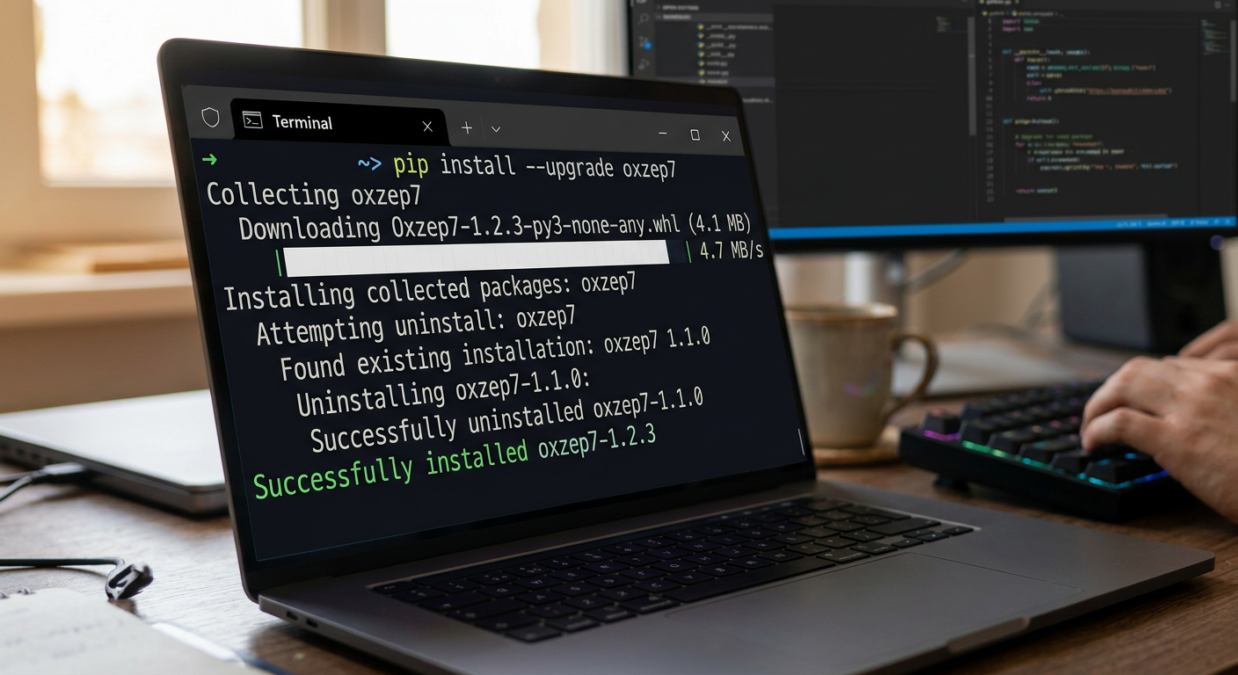
At first glance, this phrase appears technical and legitimate. However, upon closer inspection, it becomes clear that it is not part of any official Python documentation or ecosystem. This article provides a detailed explanation of what this keyword means, why it is trending, the risks associated with it, and the correct way to handle Python upgrades.
Understanding the Keyword “Upgrade Oxzep7 Python”
The phrase can be divided into three parts:
1. Upgrade
This refers to updating software to a newer version. In Python, upgrades typically involve:
- Installing a newer version of Python
- Updating libraries
- Improving compatibility and security
2. Oxzep7
This is the questionable component. There is:
- No known library, tool, or framework with this name
- No official documentation referencing it
- No verified repository or package
3. Python
This is a well-known programming language used for web development, automation, data science, and more.
When combined, the phrase appears technical but is actually misleading.
Does Oxzep7 Exist in Python?
The answer is no.
A comprehensive review of the Python ecosystem shows:
- No entry for Oxzep7 in the Python Package Index (PyPI)
- No repository on GitHub
- No mention in official Python documentation
- No discussion in credible developer communities
This confirms that Oxzep7 is not a real or recognized component of Python.
Why Is This Term Trending?
Despite its lack of authenticity, “upgrade oxzep7 python” has gained attention. Several factors explain this trend:
1. Search Engine Optimization (SEO) Manipulation
Some websites create content around fake or trending keywords to attract traffic. These pages often:
- Use technical language without substance
- Provide vague or misleading explanations
- Aim to generate clicks rather than inform
2. Automated Content Generation
Low-quality automated content may combine random technical terms, creating phrases that sound legitimate but have no real meaning.
3. Social Engineering Tactics
Cybercriminals sometimes use fabricated terms to:
- Trick users into running harmful commands
- Disguise malicious downloads
- Exploit user curiosity
Risks Associated with “Oxzep7”
Following instructions related to this keyword can lead to serious consequences.
1. Malware Installation
Fake guides may include commands that download malicious software, such as:
- Spyware
- Ransomware
- Keyloggers
2. Data Theft
Executing unknown scripts can expose:
- Personal files
- Passwords
- Financial information
3. System Instability
Running unverified commands may:
- Break your Python environment
- Corrupt installed packages
- Cause system errors
4. Financial Scams
Some platforms may request payment for:
- Fake upgrades
- Non-existent tools
- Fraudulent services
Could Oxzep7 Be a Private or Internal Tool?
In rare cases, unusual names may belong to internal or private tools. However:
- There is no evidence supporting this possibility
- No developer or organization has claimed ownership
- No technical documentation exists
Therefore, it is highly unlikely that Oxzep7 is anything more than a fabricated term.
How to Identify Fake Python Commands
Developers should remain cautious when encountering unfamiliar commands. Here are key warning signs:
1. Unusual Naming
Random combinations of letters and numbers often indicate:
- Placeholder text
- Fabricated tools
- Potential scams
2. Unrealistic Claims
Be cautious of statements such as:
- “Increase Python speed instantly”
- “Unlock hidden features”
- “Secret developer upgrade”
3. Lack of Official Sources
If a tool is not mentioned on:
- Official Python documentation
- Trusted repositories
- Established developer forums
It should not be trusted.
The Correct Way to Upgrade Python
To safely upgrade Python, follow these verified steps:
1. Check Your Current Version
python --version
2. Download the Latest Version
Visit the official Python website and download the latest stable release for your operating system.
3. Upgrade pip (Package Manager)
python -m pip install --upgrade pip
4. Update Installed Packages
pip list --outdated
pip install --upgrade package_name
5. Use Virtual Environments
python -m venv myenv
Virtual environments help isolate dependencies and prevent conflicts between projects.
Best Practices for Python Security
To maintain a secure development environment:
Use Trusted Sources
Always rely on official documentation and well-known platforms.
Verify Before Execution
Understand what a command does before running it.
Avoid Blind Copy-Paste
Never execute commands from unknown or unverified websites.
Keep Software Updated
Regular updates improve:
- Security
- Performance
- Compatibility
Why Awareness Matters
Modern development relies heavily on online resources. While this makes learning easier, it also introduces risks. Misleading keywords like “upgrade oxzep7 python” exploit curiosity and lack of awareness.
Even experienced developers can encounter such terms, which is why verification and caution are essential.
Final Conclusion
“Upgrade oxzep7 python” is not a real command, tool, or feature within the Python ecosystem. It is most likely a fabricated or misleading term used in low-quality or potentially harmful content.
Developers should avoid interacting with any instructions related to it and instead follow official methods for managing and upgrading Python.
By staying informed and cautious, you can protect your system, your data, and your development workflow.
Frequently Asked Questions (FAQs)
1. What is Oxzep7 in Python?
Oxzep7 is not a recognized library, framework, or tool in Python. It does not exist in any official capacity.
2. Is “upgrade oxzep7 python” a valid command?
No, it is not a valid or safe command. It should not be used.
3. Can following Oxzep7 instructions harm my system?
Yes, it can potentially expose your system to malware, data theft, or instability.
4. Why is this keyword appearing online?
It is likely the result of SEO manipulation, automated content generation, or misleading information.
5. How can I safely upgrade Python?
You can safely upgrade Python by downloading updates from the official website and using pip to manage packages.