
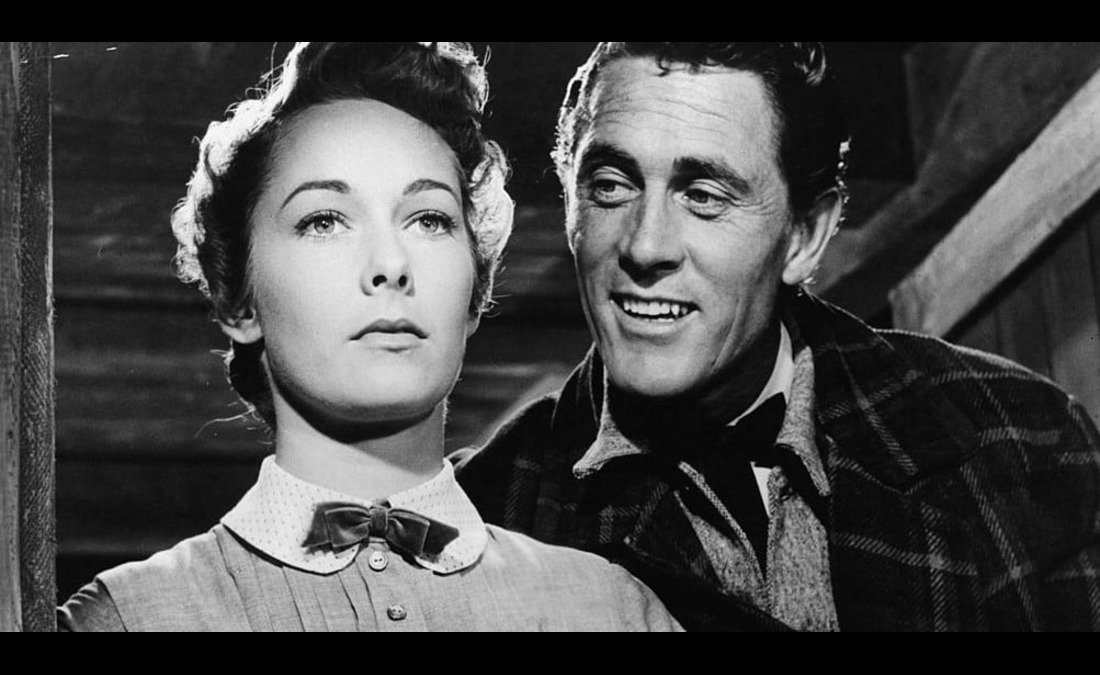
Introduction Ken Curtis
Ken Curtis remains one of those rare figures in entertainment whose presence feels both larger than life and deeply familiar. Whether remembered for his rugged charm on television or his rich, unforgettable voice in music, his legacy continues to echo through generations of fans who admire the golden age of Western storytelling. There is something enduring about his persona—authentic, grounded, and quietly powerful.
Born into a world far removed from Hollywood’s bright lights, Ken Curtis carved a path that blended talent, discipline, and opportunity. His journey reflects the spirit of an era when storytelling was rooted in character, and performers were expected to embody the roles they played. From singing cowboy ballads to portraying iconic frontier personalities, his versatility set him apart in a competitive industry.
Meta Description: Discover the life and legacy of Ken Curtis, the legendary actor and singer known for his iconic Western roles and timeless voice.
Early Life and Humble Beginnings
Ken Curtis was born as Curtis Wain Gates in Lamar, Colorado, a place that shaped his early perspective on life. Growing up in a rural environment gave him firsthand exposure to the rhythms of nature, the values of hard work, and the quiet strength of community. His father served as a sheriff, which likely influenced his later portrayal of lawmen and frontier figures.
His early years were marked by a strong interest in music. Before acting ever entered the picture, Ken Curtis was already honing his vocal abilities. He attended Colorado College, where he studied medicine briefly before realizing his true calling lay elsewhere. That turning point would eventually lead him into a career that blended performance and storytelling.
The simplicity of his upbringing remained a defining trait throughout his life. Even as he gained recognition, Ken Curtis never lost the grounded demeanor that made him relatable to audiences. His authenticity became one of his greatest strengths, allowing him to connect deeply with viewers.
Musical Roots and Rise as a Singer
Before becoming widely recognized as an actor, Ken Curtis made a name for himself in the world of music. His rich baritone voice earned him a spot with the legendary big band led by Tommy Dorsey. This opportunity marked the beginning of his professional journey and exposed him to a wider audience.
Music played a crucial role in shaping his identity as a performer. Ken Curtis understood rhythm, timing, and emotional delivery—skills that would later translate seamlessly into his acting career. His ability to tell a story through song gave him a unique edge in an industry that often separated singers and actors.
One of his most notable musical contributions came when he briefly performed with the Sons of the Pioneers, a group known for their Western-themed songs. This experience solidified his connection to the Western genre, setting the stage for the roles that would define his career.
Even as he transitioned into acting, Ken Curtis never fully left music behind. His performances often carried a musical quality, as if each line of dialogue had its own melody and rhythm. This fusion of talents made his work stand out in a crowded field.
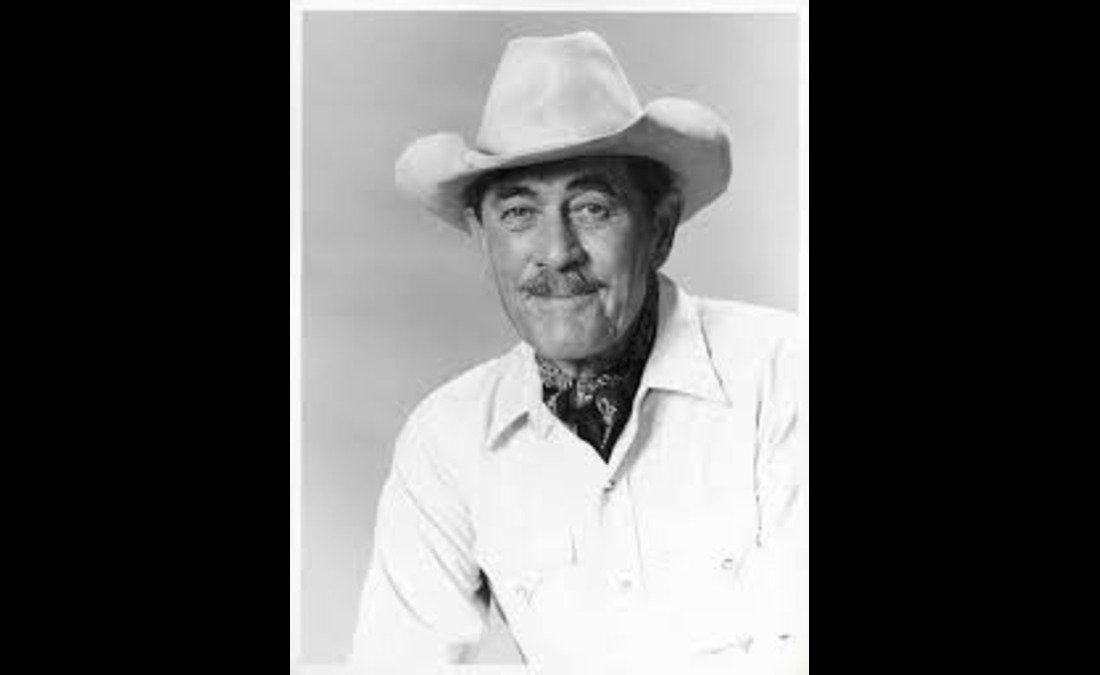
Transition into Acting and Hollywood Breakthrough
The move from music to acting was not abrupt but rather a natural evolution. Ken Curtis possessed a charisma that translated well to the screen, and his background in performance made him comfortable in front of audiences. His early film roles were modest, but they provided valuable experience.
His association with director John Ford proved to be a turning point. Working under Ford’s guidance, Ken Curtis appeared in several films that helped him refine his craft. These collaborations introduced him to a network of influential figures in Hollywood and opened doors to more significant opportunities.
The Western genre became his home. It was a space where his rugged appearance, commanding presence, and musical roots all came together. Ken Curtis was not merely acting in Westerns—he was embodying them. His performances carried a sense of realism that resonated with audiences who were drawn to the authenticity of frontier life.
This period marked the beginning of his rise to prominence. While he was not yet a household name, the foundation of his career had been firmly established. His dedication to his craft and willingness to take on diverse roles ensured steady growth.
Fame Through Television and Iconic Roles
Television brought Ken Curtis into millions of homes, transforming him from a respected performer into a beloved figure. His most famous role came in the long-running series Gunsmoke, where he portrayed Festus Haggen. This character became synonymous with his name and defined a significant portion of his career.
Festus was not a typical Western hero. He was rough around the edges, humorous, and deeply human. Ken Curtis brought a unique blend of grit and warmth to the role, making Festus both entertaining and relatable. His performance added depth to the series and contributed to its enduring success.
The popularity of Gunsmoke elevated Ken Curtis to a new level of recognition. Audiences connected with his portrayal, appreciating the authenticity and nuance he brought to the character. His ability to balance humor and seriousness made Festus one of the most memorable figures in television history.
Beyond Gunsmoke, Ken Curtis appeared in numerous other television shows and films. Each role showcased his versatility and reinforced his reputation as a reliable and compelling actor. His presence on screen was always commanding, yet never overpowering.
Film Contributions and Western Legacy
While television made him a household name, Ken Curtis also left a lasting impact on film. His work in Western movies contributed to the genre’s golden age, a period characterized by storytelling that emphasized morality, resilience, and adventure.
His roles often reflected the complexities of frontier life. Ken Curtis understood that Western characters were not one-dimensional. They were shaped by their environment, their struggles, and their choices. This understanding allowed him to deliver performances that felt genuine and layered.
One of the defining aspects of his film career was his collaboration with established filmmakers. These partnerships provided opportunities to work on projects that valued storytelling and character development. Ken Curtis thrived in such environments, where his talents could be fully realized.
His contributions to Western cinema remain significant. Even as the genre evolved, his work continued to serve as a benchmark for authenticity and emotional depth. For many fans, Ken Curtis represents the essence of what makes Western storytelling so compelling.
Personal Life and Character Beyond the Screen
Despite his public success, Ken Curtis maintained a relatively private personal life. He was known for his humility and strong work ethic, qualities that endeared him to colleagues and fans alike. His approach to fame was measured, never allowing it to overshadow his values.
Relationships played an important role in his life. He formed lasting friendships within the industry, many of which were built on mutual respect and shared experiences. Ken Curtis was not just admired for his talent but also for his character.
His background continued to influence his outlook. The lessons learned during his early years remained evident in his interactions and decisions. Ken Curtis approached life with a sense of responsibility and integrity that mirrored the roles he often portrayed.
Even in moments of recognition, he remained grounded. This authenticity was perhaps his most defining trait, setting him apart in an industry often characterized by fleeting fame.
Table: Key Facts About Ken Curtis
| Category | Details |
|---|---|
| Birth Name | Curtis Wain Gates |
| Birthplace | Lamar, Colorado |
| Profession | Actor, Singer |
| Famous Role | Festus Haggen in Gunsmoke |
| Musical Background | Big band and Western music |
| Notable Genre | Western |
| Years Active | Mid-20th century entertainment |
Style, Persona, and Influence
Ken Curtis had a distinct style that set him apart from his contemporaries. His performances were marked by a natural ease, as if he were not acting but simply living within the story. This authenticity made his characters believable and engaging.
His influence extends beyond his own work. Many actors who followed in the Western genre drew inspiration from his approach to character development. Ken Curtis demonstrated that even supporting roles could leave a lasting impression if performed with sincerity and depth.
A memorable quote attributed to him reflects his philosophy: “If you believe in the character, the audience will too.” This simple yet profound statement encapsulates his approach to acting and highlights the importance of authenticity in storytelling.
His legacy continues to inspire not only actors but also writers and filmmakers. The principles he embodied—honesty, dedication, and respect for the craft—remain relevant in today’s entertainment landscape.
Later Years and Enduring Legacy
As the years passed, Ken Curtis gradually stepped back from the spotlight. However, his work continued to resonate with audiences. Reruns of Gunsmoke introduced new generations to his performances, ensuring that his legacy remained alive.
His later years were marked by reflection and appreciation for the career he had built. Ken Curtis understood the impact of his work and took pride in the roles he had played. His contributions to entertainment were not measured solely by fame but by the lasting connections he formed with audiences.
The enduring popularity of his work speaks to its quality. Ken Curtis created characters that transcended time, resonating with viewers across different eras. His performances remain a testament to the power of storytelling.
Even today, discussions about classic Western television and film often include his name. Ken Curtis is remembered not just as an actor but as a symbol of an era that valued authenticity and craftsmanship.
Cultural Impact and Recognition
Ken Curtis holds a special place in the cultural landscape of American entertainment. His work helped define the Western genre during a period when it was a dominant force in television and film. The characters he portrayed became part of a larger narrative about identity, morality, and resilience.
Recognition for his contributions came in various forms, including industry acknowledgment and fan appreciation. While he may not have sought the spotlight, it found him nonetheless. Ken Curtis earned his place through consistent performance and dedication.
His impact extends beyond entertainment. The themes explored in his work—justice, loyalty, and perseverance—continue to resonate with audiences. Ken Curtis brought these themes to life in a way that felt genuine and accessible.
The cultural significance of his work ensures that his legacy will endure. He remains a reference point for discussions about classic Western storytelling and the actors who shaped it.
Conclusion
Ken Curtis stands as a testament to the enduring power of authenticity in entertainment. His journey from a small-town upbringing to becoming a beloved figure in television and film reflects a career built on talent, dedication, and integrity. Through his work, he created characters that continue to resonate with audiences, offering a glimpse into a world defined by resilience and humanity.
His legacy is not confined to a single role or achievement. It is woven into the fabric of the stories he helped tell and the lives he touched through his performances. Ken Curtis remains an enduring symbol of a golden era in entertainment, one where storytelling was rooted in truth and characters felt real.
FAQ
Who was Ken Curtis?
Ken Curtis was an American actor and singer best known for his role as Festus Haggen in the television series Gunsmoke. His career spanned both music and acting, making him a versatile performer.
What made Ken Curtis famous?
Ken Curtis became widely recognized for his portrayal of Festus in Gunsmoke. His unique character and memorable performance played a significant role in the show’s success.
Did Ken Curtis have a music career?
Yes, Ken Curtis had a successful music career before acting. He performed with notable groups and bands, showcasing his talent as a singer.
What is Ken Curtis’s legacy?
The legacy of Ken Curtis lies in his contributions to the Western genre and his ability to create authentic, memorable characters that continue to resonate with audiences.
Why is Ken Curtis still remembered today?
Ken Curtis is still remembered because of his impactful performances, particularly in Gunsmoke, and his lasting influence on the Western genre.