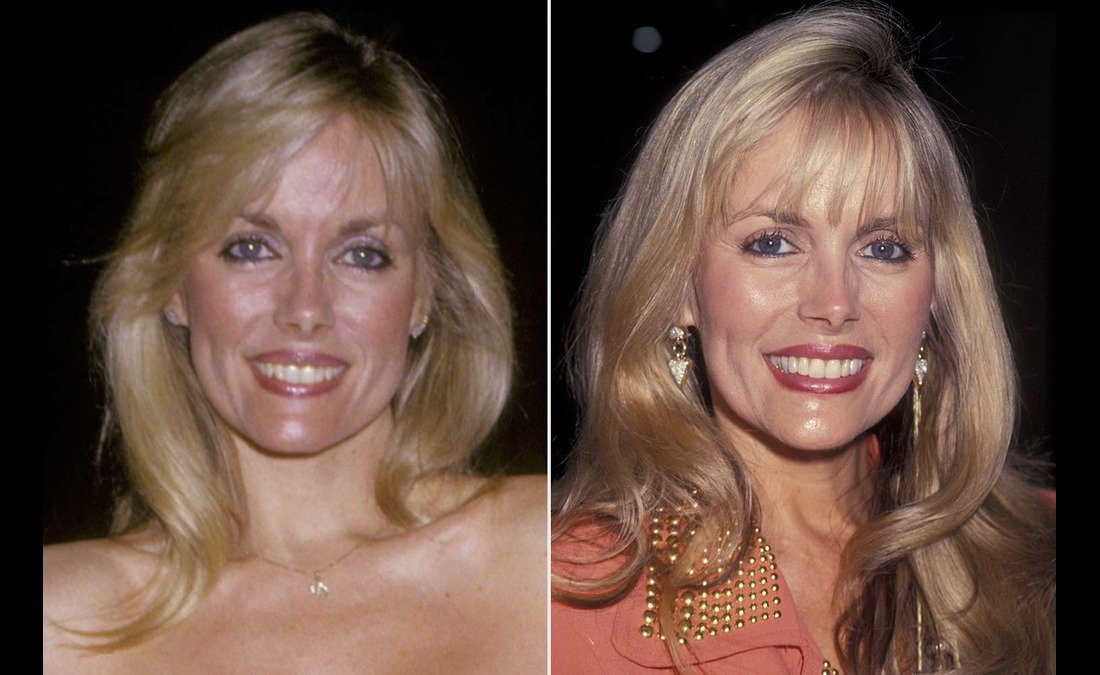
Few television personalities from the golden era of American game shows left an impression quite like Dian Parkinson. With elegance, confidence, and a screen presence that captivated millions, she became one of the most recognizable faces on daytime television during the 1970s and 1980s. Her long-running role on the legendary TV program The Price Is Right transformed her into a household name and secured her place in entertainment history.
Even decades after stepping away from the public eye, interest in her career and personal life remains strong. Fans continue searching for details about her television journey, modeling career, controversies, and mysterious retreat from Hollywood. What made her stand out in a competitive entertainment industry was not just her beauty but her ability to remain memorable in a rapidly changing media landscape.
The entertainment world has produced countless stars who enjoyed temporary fame, but only a few maintained relevance long after leaving television. Her story reflects ambition, glamour, resilience, and the complex realities of celebrity culture in America. From beauty pageants to television success, and from media attention to personal battles, her journey reveals the hidden pressures behind the polished world viewers saw on their screens.
This article explores her life in depth, including her early years, rise to fame, television career, relationships, legal controversies, personal choices, and lasting influence on pop culture.
Early Life and Childhood Dreams
Dian Parkinson was born on November 30, 1944, in Jacksonville, North Carolina, USA. Raised during a period when television was becoming a powerful cultural force in American homes, she grew up in an environment where glamour and entertainment represented exciting possibilities. While little public information exists about her private childhood, her later career clearly showed an early interest in beauty, performance, and public attention.
Like many young women of her generation, she entered the world of beauty pageants during her youth. These competitions were not simply about appearance. They often served as launching pads for careers in television, modeling, and entertainment. Contestants learned poise, communication skills, public speaking, and stage confidence — all qualities that would later become essential in her professional success.
Her rise through beauty competitions helped her develop a polished public image. At a time when pageants were widely celebrated in American culture, success in those events could quickly open doors in Hollywood and national media. She possessed a classic elegance that aligned perfectly with television standards of the era.
The years before her television fame were shaped by determination and persistence. Many aspiring entertainers struggled to gain recognition, but she steadily built experience and visibility through pageantry and modeling opportunities. Those early years formed the foundation for the remarkable career that followed.
Beauty Pageants and the Road to Recognition
Before becoming famous on television, Dian Parkinson earned attention in the competitive world of beauty pageants. She competed in prestigious contests during the 1960s, an era when pageants carried enormous cultural influence in the United States.
One of her notable achievements came when she represented the United States in the Miss World 1965 competition. This opportunity elevated her visibility and introduced her to a broader audience. Although she did not win the title, participating in an international pageant significantly boosted her profile.
Beauty competitions during that period often acted as gateways to entertainment careers. Television producers and talent agents regularly searched pageants for charismatic women who could connect with audiences. Her polished appearance, graceful demeanor, and camera-friendly personality made her a natural fit for television work.
The exposure she received through pageants helped her transition into professional modeling. Her look reflected the glamorous style popular in American media during the late 1960s and early 1970s. Advertisers and television executives recognized her commercial appeal, and opportunities soon followed.
What separated her from many pageant contestants was her ability to maintain relevance after the competitions ended. Rather than fading from public attention, she used those experiences to build a lasting entertainment career. The confidence and discipline she gained in pageantry became valuable assets in the television industry.

Entering the Entertainment Industry
Breaking into Hollywood has never been easy, and the entertainment business during the 1970s was especially competitive. Yet Dian Parkinson managed to establish herself through persistence and adaptability.
Her early entertainment work included modeling assignments and television appearances that gradually increased her visibility. During this era, television variety shows, commercials, and game shows created major opportunities for aspiring personalities. Producers often looked for individuals who combined professionalism with visual appeal.
The television industry was rapidly evolving, and daytime programming was becoming increasingly important. Networks sought attractive and charismatic personalities who could engage audiences consistently. She possessed the qualities producers valued: reliability, elegance, and a natural on-camera presence.
Unlike dramatic actors who relied on scripted performances, television personalities on daytime programs needed authenticity and quick adaptability. Her calm confidence helped her stand out. Viewers felt comfortable watching her, and that connection became a key factor in her success.
Hollywood in those years heavily emphasized image, but lasting careers required more than appearance alone. Maintaining professionalism under intense production schedules demanded discipline. She quickly earned a reputation for being polished and dependable, qualities that contributed to larger opportunities in television.
The Price Is Right and Television Stardom
The defining chapter of Dian Parkinson’s career began when she joined The Price Is Right. Hosted by Bob Barker, the show was already becoming one of the most beloved programs in daytime television history.
She joined the program in 1975 and remained part of it for nearly two decades. Her role involved presenting prizes, interacting with contestants, and contributing to the glamorous atmosphere that defined the show’s style. While some critics underestimated the importance of such roles, viewers understood how essential the models were to the program’s identity.
Television audiences quickly embraced her. She projected warmth, elegance, and sophistication without appearing distant or artificial. Her smile became instantly recognizable, and her presence added a sense of excitement to every episode.
At the height of the show’s popularity, millions of Americans watched daily. Her visibility during this period turned her into one of the most famous television models in the country. The consistent exposure created deep familiarity between her and viewers.
A memorable quote often associated with daytime television success is:
“Television invites strangers into your home every day, and eventually they begin to feel like family.”
That sentiment perfectly captured her relationship with audiences. Fans saw her regularly for years, creating a connection that endured long after her departure from television.
Why Audiences Loved Her Presence on Screen
Many television personalities achieve fame, but only a few create genuine audience affection. Dian Parkinson developed a unique bond with viewers because she balanced glamour with approachability.
Her on-screen style never appeared forced. She moved naturally within the fast-paced environment of daytime television, making interactions look effortless. Whether presenting luxury prizes or smiling beside contestants celebrating major wins, she maintained a calm and polished energy.
During the 1970s and 1980s, television culture emphasized personality-driven entertainment. Viewers appreciated individuals who felt authentic rather than overly manufactured. Her elegance reflected traditional Hollywood glamour, yet her demeanor remained relatable.
The success of The Price Is Right depended heavily on creating a joyful atmosphere. Contestants arrived excited, audiences cheered loudly, and prizes generated anticipation. She became part of that emotional experience for viewers at home.
Her fashion and style also attracted attention. Television wardrobes during that era often reflected broader cultural trends, and audiences admired the sophisticated presentation she brought to the screen. Many fans viewed her as a symbol of timeless beauty and confidence.
Another factor in her popularity was consistency. Audiences knew what to expect whenever she appeared. In an industry where personalities frequently changed, her long-term presence helped build trust and familiarity with viewers.
Career Highlights and Major Achievements
Throughout her years in entertainment, Dian Parkinson achieved milestones that solidified her legacy in television history. Her career extended far beyond simple fame and reflected sustained success in a competitive industry.
The following table highlights important moments from her professional journey:
| Year | Career Milestone | Significance |
|---|---|---|
| 1965 | Competed in Miss World | Gained international recognition |
| Early 1970s | Began professional modeling | Expanded visibility in entertainment |
| 1975 | Joined The Price Is Right | Breakthrough television role |
| 1980s | Became one of TV’s most recognized game show models | National popularity increased |
| 1991 | Left the show temporarily | Sparked media attention |
| 1993 | Final departure from television role | Ended iconic television era |
Her longevity on a nationally broadcast program represented a significant accomplishment. Television careers often fluctuate quickly, especially for personalities tied to entertainment formats. Remaining relevant for nearly two decades required professionalism and audience appeal.
She also appeared in magazines and promotional campaigns that further strengthened her public image. During the peak of her career, she was frequently discussed in entertainment media and fan publications.
While she did not pursue the type of acting career many television personalities attempted, her influence within game show history became undeniable. Fans of classic television continue discussing her contributions decades later.
The Glamour of Daytime Television in the 1980s
To fully understand the success of Dian Parkinson, it is important to understand the cultural importance of daytime television during the 1980s.
This period represented a golden age for game shows. Programs like The Price Is Right attracted massive audiences because they combined excitement, humor, competition, and aspirational prizes. Viewers tuned in daily as part of their routines.
Television models played a major role in shaping the visual identity of these programs. They represented elegance and glamour while helping create a polished entertainment experience. Audiences associated these personalities with optimism, celebration, and fun.
Fashion trends of the decade also influenced television aesthetics. Bright colors, dramatic hairstyles, and sophisticated wardrobe choices became part of the viewing experience. Her appearance perfectly matched the era’s television style while still maintaining classic elegance.
There was also a deeper emotional appeal behind game shows during that time. Many viewers saw them as comforting entertainment. They provided predictable joy and lighthearted excitement during changing social and economic conditions in America.
Her role within that environment made her more than just a television personality. She became part of daily American culture during one of television’s most memorable decades.
Media Attention and Public Fascination
Fame naturally brings intense media attention, and Dian Parkinson experienced both the benefits and challenges of public visibility.
Entertainment magazines frequently covered her career, appearance, and personal life. Fans admired her beauty and professionalism, while media outlets often focused on speculation surrounding celebrity relationships and workplace dynamics.
One reason public fascination remained strong was the contrast between her glamorous image and her private nature. Unlike many celebrities who actively sought publicity, she maintained a relatively reserved public persona. This mystery increased audience curiosity.
The entertainment industry during the 1980s and early 1990s often blurred the line between professional success and tabloid storytelling. Television personalities frequently became subjects of rumors and sensational headlines. Despite this environment, she generally avoided excessive public controversy during most of her career.
Her image reflected sophistication rather than scandal for many years. Fans associated her with classic television charm rather than celebrity chaos. That distinction helped preserve her reputation even as media culture became increasingly aggressive.
Public fascination with former television stars often grows stronger after they leave the spotlight. In her case, the mystery surrounding her later life added another layer of interest that continues today.
Relationship With Bob Barker and Public Controversy
One of the most discussed aspects of Dian Parkinson’s public life involved her relationship with Bob Barker. Over time, rumors and speculation about their connection attracted widespread media attention.
Eventually, reports confirmed that the two had been romantically involved for several years. Their relationship became a major topic in entertainment journalism because both were central figures on one of America’s most popular daytime television programs.
The situation later became more complicated when legal disputes emerged. She filed a lawsuit against Barker in the 1990s alleging harassment and misconduct. The case received enormous publicity because it involved two highly recognizable television personalities.
However, the lawsuit was ultimately dropped, and the circumstances surrounding the matter remained heavily debated in the media. Public reactions varied widely, reflecting broader conversations about workplace relationships, celebrity power dynamics, and media sensationalism.
This controversy marked a major turning point in her public image and career. It also highlighted the pressures celebrities face when personal matters become national headlines.
A quote frequently referenced in discussions about Hollywood controversy states:
“Fame magnifies every personal decision until private lives become public property.”
That observation accurately reflects the difficult reality many entertainers experience when navigating relationships under constant media scrutiny.
Leaving Television and Retreating From Public Life
After years of fame and visibility, Dian Parkinson gradually stepped away from public entertainment life. Her departure surprised many fans who had become accustomed to seeing her regularly on television.
Unlike celebrities who reinvent themselves through reality television, social media, or interviews, she largely disappeared from the spotlight. This decision created lasting curiosity among fans and entertainment historians.
Leaving Hollywood can be difficult, especially for personalities strongly associated with iconic television programs. Yet some individuals choose privacy over continued public exposure. Her withdrawal from media attention suggests a desire for personal peace after decades in entertainment.
Many former television personalities struggle with fading relevance, but her situation differed slightly. Because she had already become deeply associated with a beloved television era, audiences continued remembering her long after she stopped appearing publicly.
The mystery surrounding her later life also strengthened public fascination. Fans often wonder where she lives, how she spends her time, and whether she regrets leaving television. However, her continued privacy indicates a clear boundary between her public career and personal life.
Her retreat from celebrity culture reflects an interesting contrast with today’s entertainment environment, where many former stars actively maintain online visibility. She chose silence and distance instead.
Personal Style and Lasting Beauty Influence
The public image of Dian Parkinson became closely connected with timeless beauty and classic television glamour. Her appearance represented an era when elegance was central to entertainment branding.
Her hairstyles, wardrobe choices, and polished presentation reflected mainstream American beauty trends of the 1970s and 1980s. Yet her style also possessed a sophistication that avoided appearing overly trendy or temporary.
Television viewers often admired how effortlessly she carried herself on screen. Her confidence appeared natural rather than exaggerated. That balance contributed significantly to her enduring appeal.
Beauty standards within entertainment constantly evolve, but certain personalities remain iconic because they embody a timeless aesthetic. She became associated with graceful femininity rather than short-lived fashion experimentation.
Her influence extended beyond television audiences. Fans frequently discussed her appearance in magazines and entertainment coverage, and many viewers considered her one of the most glamorous women on daytime television.
Classic Hollywood beauty often relied on composure as much as physical appearance. She understood how posture, expression, and confidence shaped audience perception. That professionalism elevated her presence beyond simple modeling.
The Evolution of Women’s Roles on Television
The career of Dian Parkinson also reflects broader changes in women’s roles within television entertainment.
During the 1970s and 1980s, many female television personalities were evaluated heavily on appearance. Models on game shows often faced criticism from people who underestimated their contributions to entertainment production.
However, those roles required far more professionalism than outsiders sometimes assumed. Television models needed stamina, timing, communication skills, and the ability to perform consistently under pressure. They contributed significantly to audience engagement and program identity.
As television culture evolved, public discussions about representation and gender expectations became more prominent. Some critics viewed traditional game show formats as outdated, while others defended them as products of their cultural era.
Her career sits at the center of those conversations. She represented the glamorous television traditions of her time while also demonstrating professionalism and longevity in a demanding industry.
Modern audiences sometimes analyze older television formats through contemporary perspectives, but understanding historical context remains important. Entertainment reflects the values and expectations of specific periods, and her success cannot be separated from the television culture of her era.
Fan Memories and Pop Culture Legacy
Even decades after leaving the spotlight, Dian Parkinson continues to inspire nostalgia among fans of classic television.
Online discussions, fan forums, and entertainment retrospectives frequently mention her contributions to The Price Is Right. Many viewers remember her as one of the defining personalities of daytime television’s golden age.
Nostalgia plays a powerful role in preserving celebrity legacies. Audiences often associate television personalities with specific life periods, family routines, and emotional memories. For many Americans, watching game shows represented comfort and familiarity.
Classic television channels and streaming platforms have introduced younger audiences to older programs, helping preserve interest in personalities from previous decades. As a result, new viewers continue discovering her work.
Her legacy also reflects the broader history of game show entertainment in America. While hosts often received the most recognition, models and supporting personalities contributed significantly to program success.
Fans frequently praise her professionalism, elegance, and ability to create warmth on screen. Those qualities helped her maintain a positive legacy despite controversies later associated with her career.
Hollywood Fame and the Cost of Public Attention
The entertainment industry often presents fame as glamorous and rewarding, but the story of Dian Parkinson also illustrates the emotional challenges that accompany public visibility.
Celebrities live under constant observation. Personal relationships, career choices, and private struggles frequently become entertainment headlines. This environment creates enormous psychological pressure.
The transition from admired public figure to media controversy can happen quickly. Hollywood history contains countless examples of personalities whose reputations changed dramatically because of public disputes or sensational reporting.
Her experience reflects how fame can complicate ordinary human experiences. Relationships become news stories, personal disagreements become public debates, and privacy becomes increasingly difficult to maintain.
Despite these pressures, many fans still remember her primarily for her television achievements rather than controversy. That distinction suggests her professional impact remained stronger than temporary media scandals.
A meaningful observation about celebrity culture states:
“The audience sees the spotlight, but rarely the loneliness standing behind it.”
That quote captures the hidden emotional reality many entertainers face after years of public exposure.
How Television History Remembers Her
Within discussions about classic American television, Dian Parkinson remains an important figure connected to the success of The Price Is Right.
Television historians often describe the program as one of the most influential game shows ever created. Its longevity, audience loyalty, and cultural impact transformed it into a major part of American entertainment history.
Her years on the show coincided with one of its most successful periods. Because of that timing, she became closely associated with the program’s peak popularity.
The visual identity of classic game shows depended heavily on recurring personalities. Audiences developed emotional connections with familiar faces who appeared daily over long periods. Her consistency helped strengthen viewer loyalty.
Many retrospective articles about daytime television mention her as one of the most memorable game show models of all time. That recognition reflects both audience affection and her historical importance within entertainment culture.
Television evolves rapidly, but certain eras become culturally iconic. Her career represents a specific moment in American broadcasting when daytime entertainment reached extraordinary popularity and influence.
Life Away From Hollywood
One of the most fascinating aspects of Dian Parkinson’s story is her decision to remain largely absent from modern celebrity culture.
Today’s entertainment environment encourages constant public engagement through interviews, podcasts, and social media platforms. Many former stars actively preserve their visibility through digital interaction with fans.
She chose a different path. By stepping away from public attention, she created an unusual sense of mystery rarely seen among modern celebrities. This privacy has fueled ongoing speculation about her life and current activities.
There is something almost symbolic about her disappearance from Hollywood. It reflects the end of a different entertainment era — one before celebrities documented every moment online.
Her silence may also represent personal strength. Walking away from fame is often more difficult than pursuing it. The entertainment industry can become deeply addictive because of attention, recognition, and validation.
Yet she appeared willing to exchange visibility for privacy. That decision distinguishes her from many former television personalities who continue seeking public relevance decades after their peak fame.
Public Curiosity and Enduring Internet Searches
Interest in Dian Parkinson has remained remarkably strong in the internet era. Search engines, entertainment blogs, and television nostalgia communities continue discussing her career and life story.
Several factors explain this lasting curiosity. First, audiences naturally remain interested in personalities connected to iconic television programs. Second, her private lifestyle creates intrigue because little verified information exists about her later years.
People are often fascinated by celebrities who disappear from public view. The absence of interviews and media appearances encourages speculation and continued online searches.
Classic television fandom has also grown significantly in recent years. Streaming services and retro entertainment channels introduced younger viewers to older programs, renewing interest in personalities from past decades.
Her name frequently appears in discussions about game show history, vintage television glamour, and Hollywood mysteries. This ongoing public interest demonstrates the lasting impact she made during her years on television.
Even individuals who never watched her original broadcasts often recognize her through cultural references and entertainment retrospectives. That level of recognition reflects genuine pop culture significance.
The Emotional Connection Between Television and Audiences
Television personalities become part of viewers’ daily routines in ways unique to the medium. The success of Dian Parkinson demonstrates how emotional familiarity can transform entertainers into cultural icons.
Unlike film actors who appear occasionally, daytime television personalities enter homes regularly for years. Audiences develop strong emotional associations with those familiar faces.
For many families, watching The Price Is Right became a shared ritual. Viewers remember where they watched the show, who they watched it with, and how it made them feel. Those emotional memories naturally extend to the personalities associated with the program.
This connection explains why nostalgia for classic television remains so powerful. Entertainment is not just about content — it becomes linked to personal memories and emotional experiences.
Her calm and welcoming screen presence contributed to those emotional bonds. Fans often describe her as elegant, friendly, and comforting to watch. Such reactions reveal how deeply television personalities can influence audience experiences.
The relationship between viewers and television figures may seem one-sided, but its emotional impact can be surprisingly strong and long-lasting.
Conclusion
The story of Dian Parkinson reflects far more than celebrity glamour. It represents an important chapter in American television history, shaped by ambition, fame, beauty, controversy, and personal transformation.
From beauty pageants to daytime television stardom, she built a career that millions of viewers remember with affection and nostalgia. Her years on The Price Is Right helped define the visual identity of one of America’s most beloved television programs.
At the same time, her experiences reveal the complicated realities behind entertainment success. Public scrutiny, media controversy, and personal challenges became part of her journey, reminding audiences that celebrity life is rarely as effortless as it appears on screen.
Her decision to leave the spotlight added another fascinating layer to her legacy. In a culture obsessed with visibility, she chose privacy instead. That choice continues fueling public curiosity decades later.
Today, her legacy survives through classic television memories, fan admiration, and ongoing cultural interest. Whether remembered for her elegance, professionalism, or mysterious retreat from Hollywood, she remains one of the most recognizable personalities from the golden age of American game shows.
Meta Description: Discover the fascinating life of Dian Parkinson, from game show fame and modeling success to controversy, privacy, and lasting TV legacy.
FAQ
Who is Dian Parkinson?
She is an American television personality, model, and former beauty pageant contestant best known for her long-running role on The Price Is Right. She became one of the most recognized faces in daytime television during the 1970s and 1980s.
Why did Dian Parkinson leave The Price Is Right?
She left the show after years of public controversy and legal disputes involving host Bob Barker. Although many details became widely discussed in the media, she eventually stepped away from television and chose a private lifestyle.
Was Dian Parkinson involved in beauty pageants?
Yes, she participated in major beauty pageants during the 1960s and represented the United States in the Miss World 1965 competition. These experiences helped launch her entertainment career.
What made Dian Parkinson so popular on television?
Audiences appreciated her elegance, professionalism, and natural screen presence. Her long-term role on daytime television helped viewers form a strong emotional connection with her over many years.
Is Dian Parkinson still active in entertainment?
She has largely remained out of the public spotlight for many years. Unlike many former television celebrities, she rarely gives interviews or appears publicly, which has increased public curiosity about her life.
What is Dian Parkinson’s legacy in television history?
Her legacy is closely connected with the golden age of American game shows. She remains one of the most memorable personalities associated with The Price Is Right and continues to be remembered by fans of classic television.