

The modern entertainment world has evolved far beyond traditional sports venues, and few concepts represent that transformation better than Topgolf. What once began as a creative idea for making golf more accessible has grown into a global entertainment phenomenon that blends technology, dining, nightlife, music, and competition into one unforgettable experience. Across cities in the United States and around the world, people of all ages gather at these high-energy venues to enjoy games, socialize with friends, celebrate special moments, and discover golf in a completely different way.
For many people, golf once felt intimidating. Country clubs, strict dress codes, and technical rules often made the sport seem exclusive or difficult for beginners. That perception changed dramatically with the rise of Topgolf. By combining interactive gameplay with a relaxed atmosphere, the company introduced millions of people to golf in a fun and approachable format. Today, even people who have never stepped onto a golf course feel comfortable swinging a club in one of these modern entertainment spaces.
The appeal goes far beyond sports enthusiasts. Families enjoy weekend outings, coworkers host team-building events, couples spend date nights competing playfully, and groups of friends gather for birthdays and celebrations. The environment feels more like a trendy entertainment lounge than a traditional golf facility. Large screens, music, food, drinks, and climate-controlled hitting bays create an atmosphere that works year-round.
The growth of the brand reflects a larger shift in consumer behavior. People increasingly seek experiences instead of simple products, and venues that combine multiple forms of entertainment tend to thrive. This concept successfully merges gaming, hospitality, and sports into one seamless experience. The result is a social destination that appeals to casual visitors as much as serious golfers.
The Origins of a Revolutionary Entertainment Concept
The story behind this entertainment giant begins with twin brothers Steve and Dave Jolliffe, who wanted to create a way to make golf practice more exciting and measurable. Traditional driving ranges lacked energy, engagement, and accurate feedback. Their vision centered on technology that could track golf balls and turn practice into an interactive game.
That idea eventually became reality in the early 2000s. The founders introduced microchip-enabled golf balls capable of tracking distance and accuracy. Instead of simply hitting balls into an open field, players could aim at giant targets and earn points based on precision. The scoring system transformed golf practice into an exciting social activity.
The first venue opened in the United Kingdom before the concept expanded rapidly into the United States. Early locations proved there was massive demand for sports-based entertainment that felt modern and inclusive. Consumers responded enthusiastically because the experience removed many of the barriers associated with traditional golf.
Industry analysts often point to the company as one of the most successful examples of “competitive socializing,” a category that includes activities like bowling lounges, escape rooms, and interactive gaming venues. Unlike standard sports facilities, these destinations prioritize shared experiences and entertainment value.
One hospitality expert famously described the concept by saying, “People arrive thinking they are coming to hit golf balls, but they leave realizing they experienced a complete night out.” That quote captures why the brand resonates with such a wide audience.
How the Gaming Experience Works
One of the biggest reasons people enjoy these venues is the simplicity of the gameplay.Topgolf Visitors do not need professional skills or previous golf knowledge to participate. The games are intuitive, fast-paced, and designed for entertainment first.
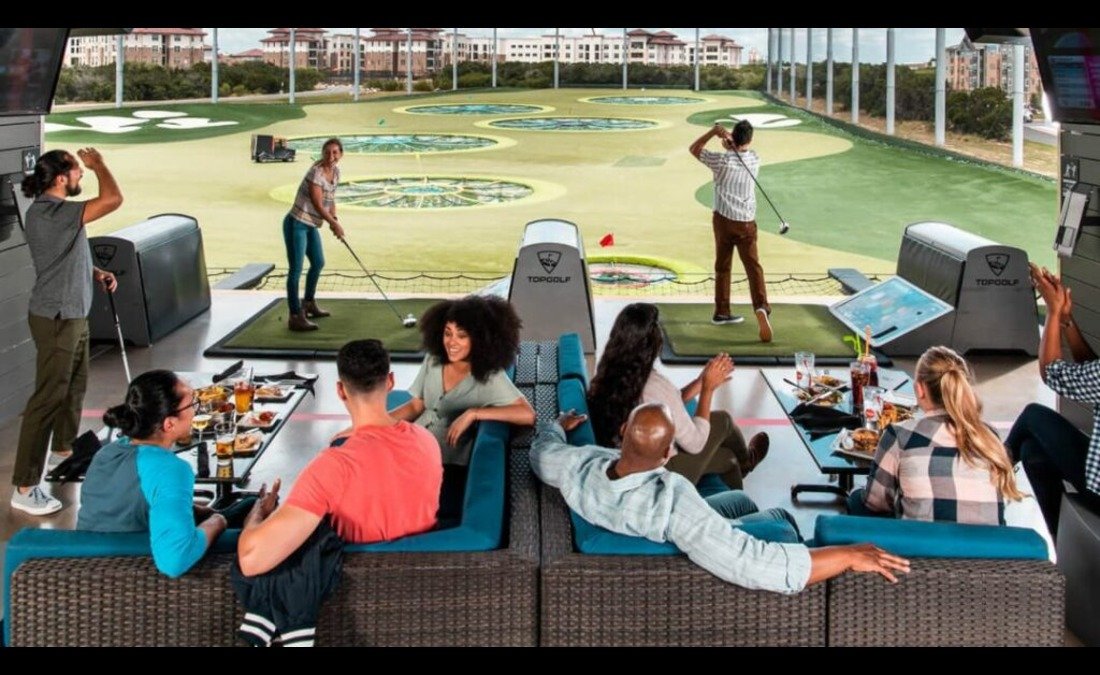
Each hitting bay contains clubs, seating, screens, and digital scoring systems. Players hit microchipped golf balls toward giant targets spread across the field. Sensors track where the balls land and automatically calculate points. Different games introduce unique scoring rules and objectives, keeping the experience fresh and engaging.
Beginners usually appreciate the forgiving environment. There is no pressure to follow complicated golf etiquette, and even poor shots often become funny moments shared among friends. Experienced golfers, meanwhile, enjoy the opportunity to practice precision and compete seriously.
The technology behind the system is a major attraction. Advanced ball tracking delivers instant feedback about speed, distance, and accuracy. Competitive players can analyze performance while casual guests simply enjoy seeing their scores appear on large digital screens.
Games vary widely depending on the venue and available technology. Some focus on accuracy, while others prioritize distance or target strategy. Seasonal events and themed competitions add additional excitement throughout the year.
The environment encourages participation from everyone. Even guests who choose not to play can relax, watch others compete, enjoy food and drinks, and absorb the social atmosphere. This flexibility broadens the appeal significantly beyond traditional sports audiences.
Why Younger Generations Love the Experience
Millennials and Gen Z consumers have played a huge role in the rise of experiential entertainment. These generations often prioritize memorable outings over material purchases, making social entertainment venues especially attractive.
Several factors explain the strong appeal among younger audiences. First, the atmosphere feels modern and energetic rather than formal or exclusive. Loud music, stylish design, digital screens, and social media-friendly visuals create a lively environment that encourages sharing experiences online.
Second, the activity itself is highly accessible. Unlike traditional golf, visitors do not need expensive equipment, extensive lessons, or memberships. A group can arrive spontaneously and immediately begin playing. That convenience aligns perfectly with modern entertainment habits.
Social media has also fueled popularity. Photos and videos from these venues often feature colorful lighting, impressive swings, celebrations, food spreads, and scenic rooftop views. Many visitors view the experience as both entertainment and a shareable lifestyle activity.
Another major factor is flexibility. Guests can participate casually while still enjoying conversation, drinks, and food. The experience does not require constant physical exertion or intense concentration, making it ideal for social gatherings.
A marketing executive once noted, “The venue succeeds because it feels equally comfortable for athletes, beginners, food lovers, and nightlife enthusiasts.” That inclusivity helps explain its broad cultural reach.
Food and Beverage Culture Beyond the Golf Bays
One surprising aspect of the experience is the quality of the dining program. Many first-time visitors expect ordinary sports-bar food, only to discover menus filled with elevated comfort dishes, creative appetizers, cocktails, and desserts.
The culinary strategy plays a major role in the venue’s success. Since many guests stay for several hours, food and beverages become central parts of the outing. Menus typically include burgers, wings, flatbreads, tacos, loaded nachos, sandwiches, salads, and shareable platters designed for groups.
Cocktail menus often reflect local trends and seasonal ingredients. Many locations feature signature drinks, craft beer selections, wine lists, and specialty beverages aimed at creating a nightlife atmosphere. Happy hour promotions attract after-work crowds and young professionals.
Service models are designed for convenience. Guests can order directly from their bays without interrupting gameplay, allowing groups to continue socializing while dining. This integration of entertainment and hospitality creates a smoother customer experience than traditional restaurants or sports venues.
Families appreciate kid-friendly menu options, while corporate groups often take advantage of catering packages and private event services. The ability to accommodate different demographics strengthens the business model considerably.
The company understands that modern consumers expect more than just an activity. Dining quality influences customer satisfaction almost as much as the games themselves. As a result, many guests visit primarily for the social and culinary atmosphere rather than competitive play.
The Technology That Changed Golf Entertainment
Technology sits at the core of the entire experience. Without accurate ball tracking and interactive scoring systems, the concept would simply resemble a driving range with food service. Instead, advanced innovation transforms every swing into measurable entertainment.
The original tracking system relied on radio-frequency identification technology embedded inside golf balls. Over time, the company introduced increasingly sophisticated systems capable of delivering precise shot data and immersive digital gameplay.
Modern venues often include high-definition displays, interactive interfaces, advanced analytics, and customizable player profiles. Guests can track scores, compare performance, and even participate in virtual golf experiences inspired by famous courses.
The emphasis on data appeals strongly to younger consumers raised in gaming culture. Instant feedback, rankings, challenges, and digital achievements create a rewarding sense of progression similar to video games.
Technology also improves operational efficiency. Automated scoring reduces staffing needs while increasing accuracy. Reservation systems, mobile apps, and digital waitlists streamline the customer experience and help venues manage large crowds.
The innovation continues evolving as entertainment expectations grow. Industry experts believe future developments may include augmented reality features, immersive simulations, enhanced personalization, and deeper integration with mobile platforms.
The company’s ability to blend physical sports with digital engagement has become one of its greatest competitive advantages.
A New Gateway Into Traditional Golf
Perhaps the most important long-term impact involves the role these venues play in introducing new audiences to golf. For decades, the golf industry struggled with perceptions of exclusivity, expense, and inaccessibility. Participation rates fluctuated as younger generations pursued alternative activities.
This entertainment model changed that conversation dramatically. Millions of first-time players discovered golf in a relaxed, pressure-free environment. Instead of focusing on rules and formal instruction, visitors experienced golf as a fun social activity.
Industry organizations have repeatedly credited the concept with helping grow interest in the broader golf ecosystem. Many people who begin at entertainment venues eventually purchase clubs, take lessons, and play on traditional courses.
Golf professionals often recognize the value of this transition. A teaching instructor once explained, “People build confidence here first. Once they realize hitting a golf ball can actually be enjoyable, they become open to learning the real game.”
The inclusivity extends across age groups, skill levels, and demographics. Families can introduce children to golf without major financial commitments, while adults who previously felt intimidated gain a comfortable entry point into the sport.
This gateway effect may influence the future of golf for decades. By making the sport feel welcoming and modern, entertainment-based venues help reshape public perception and encourage broader participation.
The Role of Corporate Events and Group Gatherings
Corporate events represent a massive portion of revenue for many locations. Businesses constantly seek engaging environments for team-building activities, networking events, client meetings, and celebrations. Traditional conference rooms often feel uninspiring, while interactive entertainment venues encourage participation and social connection.
The combination of games, dining, private event spaces, and flexible packages makes these venues especially attractive for companies. Employees can compete casually while networking naturally in a relaxed setting.
Many organizations choose these spaces for holiday parties, product launches, recruiting events, and executive gatherings. The activity encourages communication and breaks down formal barriers between coworkers.
The format works particularly well because it accommodates varying comfort levels. Competitive employees can focus on gameplay, while quieter guests can socialize, eat, or observe without pressure. This balance creates inclusive group experiences.
Event coordinators appreciate the convenience of bundled services including catering, reserved bays, audio-visual support, and dedicated staff assistance. The streamlined planning process simplifies logistics for large gatherings.
As workplace culture evolves toward experience-driven engagement, entertainment venues continue attracting corporate clients seeking alternatives to conventional business events.
Comparing the Experience to Traditional Golf
Traditional golf and modern entertainment golf serve very different purposes, though they share common roots. Understanding those differences helps explain why both formats continue thriving simultaneously.
Conventional golf emphasizes precision, patience, etiquette, and competition across expansive outdoor courses. Players often spend several hours completing rounds while navigating challenging terrain and strategic shot-making situations.
Entertainment golf focuses instead on accessibility, socialization, and instant gratification. Sessions are shorter, rules are simplified, and the environment encourages conversation, food, and music.
Neither format replaces the other completely. Instead, they appeal to overlapping but distinct audiences. Serious golfers may visit entertainment venues for casual practice or social outings, while newcomers may eventually transition toward traditional courses.
One major distinction involves time commitment. A standard round of golf can require four to five hours, while entertainment venues allow flexible visit durations. This convenience aligns better with modern lifestyles and busy schedules.
Cost structures also differ significantly. Traditional golf often involves equipment purchases, green fees, memberships, and travel expenses. Entertainment venues lower financial barriers by providing clubs and charging primarily for bay rentals.
Despite these differences, both experiences share golf’s core satisfaction: the thrill of hitting a great shot. That universal appeal connects casual entertainment players with lifelong golf enthusiasts.
Global Expansion and International Popularity
The rapid international expansion reflects the universal appeal of interactive entertainment experiences. What began as a localized concept now attracts visitors across multiple continents.
Expansion efforts target densely populated urban areas where consumers actively seek social entertainment options. Major cities often provide ideal demographics, including young professionals, tourists, families, and corporate clients.
International venues adapt to regional preferences while maintaining core gameplay elements. Food menus, music, event styles, and hospitality approaches may vary depending on local culture and customer expectations.
Global success demonstrates the flexibility of the business model. The concept works across diverse markets because it combines universally appealing elements: games, food, competition, technology, and social interaction.
Tourism also contributes significantly to growth. Travelers frequently seek recognizable entertainment destinations when visiting new cities, and these venues often become popular attractions near urban entertainment districts.
As international awareness grows, the brand continues expanding its influence within both hospitality and sports entertainment industries.
The Design and Architecture Behind the Atmosphere
The physical design of each venue contributes enormously to the overall experience. These facilities are intentionally crafted to feel modern, energetic, and welcoming rather than resembling traditional sports complexes.
Multi-level hitting bays create visually impressive environments filled with movement and activity. Bright targets spread across large outdoor ranges provide striking visual focal points, especially at night when illuminated with colorful lighting.
Interior spaces often combine industrial design elements with upscale lounge aesthetics. Comfortable seating, large televisions, open-air layouts, and stylish decor help create a social environment that encourages guests to linger.
Climate control systems allow year-round operation regardless of weather conditions. Heated bays, fans, and covered structures maximize comfort while preserving outdoor visibility.
Music plays a strategic role in shaping the atmosphere. Carefully curated playlists create energy without overwhelming conversation. During evenings, some locations feel closer to nightlife venues than sports facilities.
Architectural flexibility also supports different customer groups simultaneously. Families, couples, corporate teams, tourists, and serious golfers can share the same space while enjoying distinct experiences.
Design experts frequently praise the venues for blending functionality with entertainment psychology. Every layout choice supports social engagement and customer retention.
The Psychology Behind Competitive Socializing
The rise of competitive socializing reflects deeper cultural trends in how people seek connection and entertainment. Interactive group activities satisfy social needs while adding excitement and shared experiences.
Psychologists often note that light competition strengthens social bonds when structured positively. Games create natural conversation, laughter, encouragement, and memorable moments. Unlike passive entertainment such as movies, interactive activities encourage participation.
Golf-based entertainment works especially well because skill levels vary dramatically. Beginners and experienced players can compete together using handicap systems or simplified games, reducing intimidation and maximizing enjoyment.
Friendly rivalry adds energy without excessive pressure. Guests celebrate impressive shots, joke about mistakes, and support one another throughout sessions. This emotional engagement increases satisfaction and encourages repeat visits.
The environment also reduces social awkwardness. Activities provide natural conversation starters and shared focus points, making gatherings feel more comfortable for diverse groups.
Modern consumers increasingly value experiences that combine entertainment with human connection. Interactive venues thrive because they satisfy both desires simultaneously.
Economic Impact and Industry Influence
The success of the entertainment golf industry has influenced multiple business sectors including hospitality, sports, nightlife, and urban development.
Large venues generate substantial economic activity through employment, tourism, food service, construction, and local partnerships. Many locations become anchor attractions within broader entertainment districts.
The concept has inspired competitors and imitators across the entertainment industry. Companies increasingly seek ways to combine physical activities with technology-driven social experiences.
Golf equipment manufacturers have also benefited indirectly. As more people become interested in golf through entertainment venues, equipment sales and lesson participation often increase.
Real estate developers frequently pursue partnerships because entertainment complexes attract foot traffic and boost surrounding commercial activity. Restaurants, hotels, and retail spaces near major venues often experience increased customer flow.
Investors continue viewing experiential entertainment as a high-growth market segment. Consumer demand for memorable outings remains strong, particularly among younger demographics seeking alternatives to traditional nightlife.
The broader influence extends beyond golf itself. The business model demonstrates how traditional sports can evolve through technology and hospitality innovation.
How Families Experience Modern Golf Entertainment
Families represent one of the most important customer segments. Parents appreciate activities that entertain multiple age groups simultaneously, and these venues provide flexible experiences suitable for children, teenagers, and adults alike.
Unlike many sports activities that focus heavily on competition, the atmosphere encourages casual participation and fun. Children enjoy aiming at colorful targets and watching scores appear instantly on digital screens.
Birthday parties and family celebrations frequently take place at these venues because they combine entertainment, dining, and convenience within one location. Parents avoid the complexity of organizing separate activities and meals.
The inclusive environment allows family members with different athletic abilities to participate together comfortably. Even grandparents or younger children can join casually without pressure.
Safety and accessibility also contribute to family appeal. Staff supervision, controlled hitting areas, and structured gameplay help create secure environments for younger participants.
Weekend daytime crowds often include families enjoying relaxed outings before nightlife-focused evening atmospheres emerge. This adaptability broadens the venue’s appeal across different times and demographics.
The Influence of Music and Nightlife Energy
One reason these venues attract non-golfers involves their nightlife atmosphere. Evening sessions often feel more like upscale lounges or entertainment clubs than sports facilities.
Music plays a central role in shaping energy levels throughout the venue. Upbeat playlists create excitement while maintaining social comfort. Some locations host live DJs, themed nights, or special entertainment events.
Lighting design enhances the nightlife experience dramatically. Illuminated targets, glowing range features, and colorful architectural accents transform the environment after sunset.
Young professionals often choose these venues instead of conventional bars because they provide built-in entertainment and social interaction. Guests can drink, compete, eat, and socialize simultaneously.
The atmosphere appeals particularly to groups seeking active social experiences rather than passive nightlife options. Interactive entertainment creates more memorable evenings and encourages longer visits.
Hospitality professionals frequently highlight the balance between energy and accessibility. Unlike loud nightclubs, these spaces still support conversation and group interaction comfortably.
The nightlife element significantly expands audience reach beyond sports enthusiasts, helping transform entertainment golf into a mainstream cultural activity.
Challenges and Criticism Within the Industry
Despite remarkable success, the industry faces several challenges and criticisms. Understanding these issues provides a more balanced perspective on the business model.
One common criticism involves pricing. Premium locations in major cities can become expensive, especially for large groups ordering food and drinks. Some consumers argue the experience costs significantly more than traditional recreational activities.
Crowding and wait times also create occasional frustration. Popular locations frequently experience heavy demand during weekends and evenings, leading to delays and reservation challenges.
Traditional golf purists sometimes criticize entertainment venues for oversimplifying or commercializing the sport. They argue the atmosphere prioritizes socializing over authentic golf development.
Operational costs present another challenge for companies. Large facilities require substantial investments in real estate, staffing, maintenance, technology, and hospitality operations.
Competition within experiential entertainment continues intensifying as new concepts emerge. Maintaining innovation and customer excitement remains essential for long-term growth.
However, despite these concerns, demand remains strong because the overall customer experience continues resonating with broad audiences.
Celebrity Influence and Pop Culture Recognition
Celebrity appearances and social media exposure have helped elevate the brand into mainstream pop culture. Athletes, musicians, actors, influencers, and content creators frequently share experiences from various venues.
Professional golfers often participate in promotional events, helping bridge the gap between traditional golf and entertainment audiences. Celebrity tournaments and branded experiences generate additional visibility.
Television shows, online videos, and influencer content frequently feature entertainment golf venues as trendy social destinations. This exposure reinforces the image of the activity as modern and culturally relevant.
Sports stars sometimes praise the concept publicly for helping grow golf participation among younger generations. Their endorsements increase credibility while expanding audience reach.
Music artists and entertainers also contribute to the nightlife identity. Special performances and collaborations create crossover appeal between sports and entertainment industries.
Pop culture visibility strengthens brand recognition globally and positions the experience as more than just recreational activity. It becomes associated with lifestyle, social connection, and modern entertainment culture.
Environmental and Sustainability Considerations
As large entertainment complexes continue expanding, sustainability becomes increasingly important. Companies within the industry face growing expectations regarding environmental responsibility and resource management.
Modern facilities often incorporate energy-efficient systems, water conservation strategies, and environmentally conscious construction methods. LED lighting and climate management technologies help reduce operational impact.
Golf entertainment venues generally require less land than traditional golf courses, which some environmental advocates view positively. Urban locations also reduce travel distances for many visitors.
Waste management and food sustainability programs continue evolving as hospitality standards change. Recycling initiatives and responsible sourcing practices increasingly influence customer perception.
Technology may further improve sustainability in the future. Advanced tracking systems and operational analytics can optimize energy use and resource allocation more effectively.
Consumers increasingly support entertainment brands that demonstrate environmental awareness. Sustainability efforts therefore contribute both ethically and commercially to long-term business success.
What the Future Looks Like for Interactive Golf Entertainment
The future of interactive golf entertainment appears exceptionally promising as consumer demand for experiential activities continues growing worldwide.
Technology will likely drive much of the next phase of innovation. Enhanced simulations, immersive digital environments, augmented reality, and personalized gameplay experiences could redefine entertainment golf even further.
Expansion into new international markets remains a major opportunity. Urban populations across the globe increasingly seek premium social entertainment experiences that combine dining, technology, and competition.
Partnerships with sports organizations, hospitality brands, and entertainment companies may create entirely new formats and collaborations. Hybrid experiences blending physical and virtual gaming elements could attract even broader audiences.
The broader golf industry will also continue benefiting from increased exposure among younger generations. Entertainment venues may become permanent entry points introducing millions of new players to the sport.
One industry observer summarized the future perfectly: “This is not just about golf anymore. It is about how people connect, compete, and spend time together in the modern world.”
That perspective captures why the concept remains so influential. It represents far more than a recreational activity. It reflects evolving consumer values centered on experience, connection, and interactive entertainment.
Informational Table About the Entertainment Experience
| Feature | Description | Why It Matters |
|---|---|---|
| Interactive Gameplay | Microchipped golf balls track shots automatically | Makes the game accessible and engaging |
| Climate-Controlled Bays | Heated and covered hitting areas | Allows year-round comfort |
| Food and Beverage Service | Full menus and cocktails available at bays | Enhances social and dining experience |
| Multiplayer Games | Competitive and casual formats for groups | Encourages social interaction |
| Corporate Event Spaces | Private rooms and event packages | Ideal for business gatherings |
| Beginner-Friendly Environment | No golf experience required | Expands audience reach |
| Nightlife Atmosphere | Music, lighting, and lounge-style design | Appeals to younger demographics |
| Technology Integration | Real-time scoring and analytics | Adds excitement and accuracy |
Conclusion
The rise of Topgolf represents one of the most important transformations in modern sports entertainment. By blending technology, hospitality, competition, dining, and social interaction into one cohesive experience, the company successfully redefined how millions of people engage with golf.
What makes the concept truly remarkable is its inclusivity. Experienced golfers, complete beginners, families, corporate groups, tourists, and nightlife enthusiasts all find value within the same environment. Few entertainment formats achieve such broad appeal while maintaining a distinct identity.
The success story also highlights larger cultural changes. Modern consumers increasingly prioritize experiences that create memories, encourage connection, and combine multiple forms of entertainment. Interactive golf venues meet those expectations perfectly.
As technology evolves and global expansion continues, the influence of Topgolf will likely extend even further across sports, hospitality, and entertainment industries. Whether someone visits for serious competition, casual fun, food, drinks, or social connection, the experience delivers something memorable.
More than just a place to hit golf balls, it has become a symbol of how traditional activities can evolve for modern audiences while remaining exciting, accessible, and culturally relevant.
FAQ
What is Topgolf and how does it work?
Topgolf is an entertainment venue where players hit microchipped golf balls toward giant targets on a driving range. Advanced tracking technology calculates points based on accuracy and distance. Guests play interactive games while enjoying food, drinks, music, and social activities in climate-controlled hitting bays.
Do you need golf experience to enjoy Topgolf?
No previous golf experience is necessary. The games are designed for beginners as well as experienced golfers. Many visitors have never played traditional golf before, yet still enjoy the interactive gameplay and social atmosphere.
Is Topgolf suitable for families?
Yes, families frequently visit these venues for birthdays, weekend outings, and celebrations. Kid-friendly games, dining options, and flexible gameplay make the experience enjoyable for multiple age groups.
How long do people usually stay at Topgolf?
Most groups stay between one and three hours depending on the size of the party, food orders, and gameplay preferences. Many guests extend their visit because the environment encourages socializing and relaxation.
Can Topgolf help improve golf skills?
Yes, many players use the venue to practice swing accuracy and consistency. The tracking technology provides instant feedback on shots, helping golfers analyze performance while still enjoying a casual atmosphere.
Why has Topgolf become so popular?
The popularity comes from combining sports, technology, food, nightlife, and social interaction into one experience. It appeals to both golfers and non-golfers while providing a modern, engaging environment for entertainment.
Are reservations recommended at Topgolf locations?
Reservations are strongly recommended during weekends, evenings, and holidays because many locations become extremely busy. Booking ahead helps avoid long wait times and ensures better bay availability.