
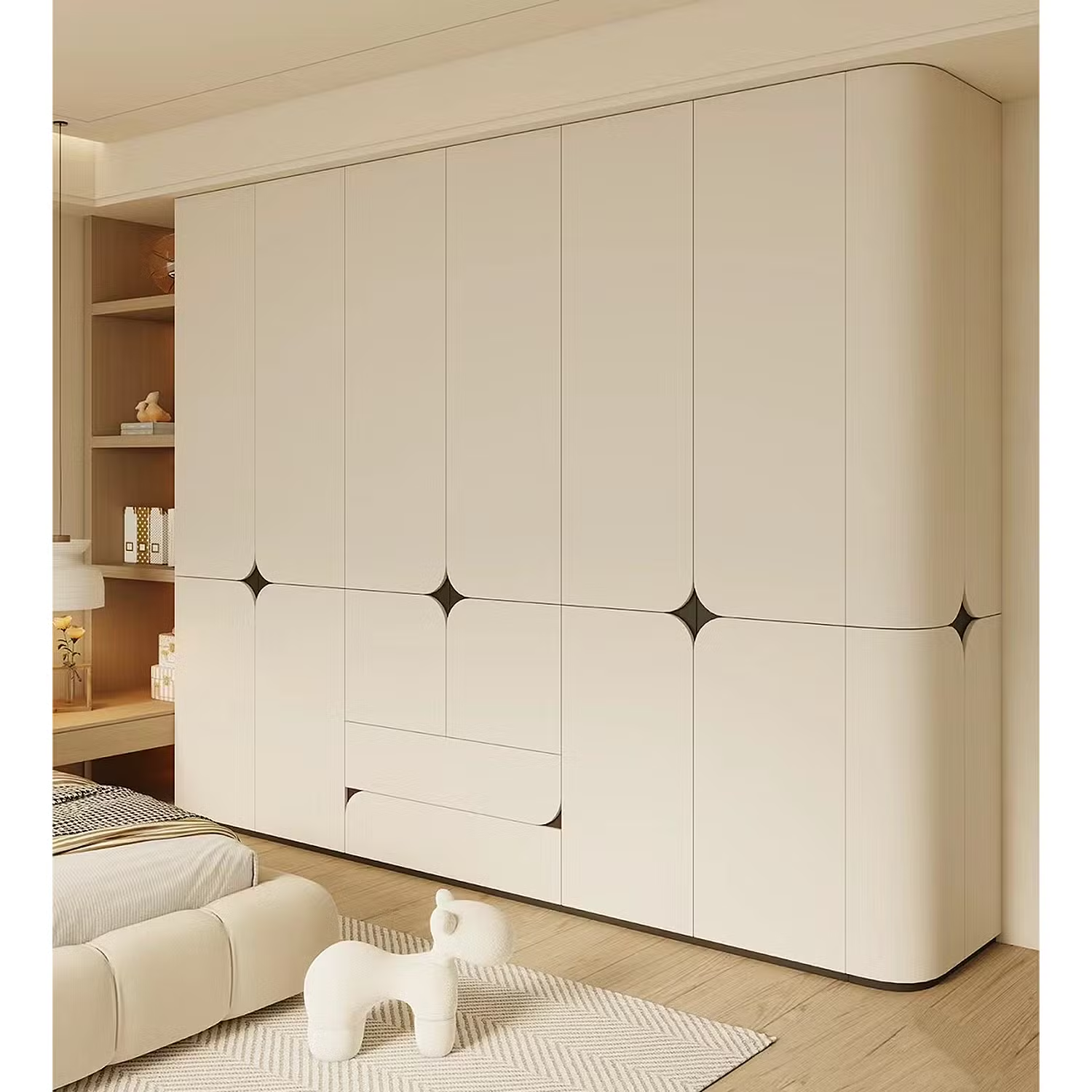
Modern homes face constant background noise from traffic, appliances, and neighbouring rooms. Bedrooms often suffer most, making restful sleep harder to achieve. One overlooked solution lies in the wardrobe. Solid, well-fitted doors can absorb and block sound effectively when chosen and installed with care.
Many homeowners discover that swapping outdated sliding or thin doors for sturdy hinged options transforms the feel of the space. Wardrobe Doors that seal tightly against the frame reduce gaps where sound travels. This approach works especially well in terraced or semi-detached properties where walls transmit noise easily. In London apartments, for instance, residents replacing flimsy bi-fold doors with solid hinged models often cut perceived noise by up to 30 percent, turning restless nights into genuine rest.
Why Bedroom Noise Matters More Than You Think
Persistent low-level sound disrupts sleep cycles and increases stress over time. Studies on household acoustics show that even moderate noise affects concentration and mood during the day. In bedrooms, the goal is not complete silence but enough reduction to let the body relax fully at night.
Traditional sliding wardrobe doors often leave gaps at the top, bottom, and sides. These openings allow sound to pass through freely. Hinged doors, by contrast, close flush against stops and can include seals or weatherstripping for an airtight fit. The result is noticeable quieting without major structural changes. A family in Manchester living beside the M60, for example, found their children drifting off within minutes after the upgrade instead of tossing for an hour.
Material Choices That Block Sound Effectively
Density plays a key role in sound absorption. Heavier materials such as solid timber or thick MDF outperform hollow or lightweight panels. When selecting replacement doors, look for options at least 18mm thick with minimal internal voids. Adding a layer of acoustic underlay or mass-loaded vinyl on the inside face boosts performance further.
Finish matters too. Smooth painted surfaces reflect some sound while textured or fabric-covered options can help dampen it. For DIY projects, applying felt or cork panels inside the doors offers an inexpensive upgrade that also protects clothing from knocks. These choices align with current 2026 closet remodel trends that emphasise both function and comfort. Oak veneered doors with internal honeycomb cores, for example, provide excellent mass while remaining affordable; homeowners near Heathrow often pair them with rubber gaskets to reach STC ratings above 30.
Step-by-Step Installation for Better Seals
Proper fitting is essential. Start by measuring the opening accurately and removing old tracks or runners completely. Frame the opening with timber stops if needed so the new hinged doors sit snugly. Use non-mortise hinges for quick alignment without chiselling.
Once hung, add compression seals around the perimeter. Test the closure by listening for air movement when the door shuts. Small adjustments to hinge positions or planing edges can eliminate remaining gaps. A closet door replacement guide from a trusted retailer provides clear visuals for these steps and highlights common pitfalls like uneven floors. Fitting a drop seal at the base prevents sound leakage underfoot, while magnetic catches ensure consistent pressure along the entire edge.
Work methodically across multiple wardrobes if your bedroom has several. Consistent door styles create a unified look while delivering uniform sound reduction throughout the room. Always double-check plumb lines before final fixing; even a 2mm misalignment can create a noticeable sound path.
Combining Doors with Simple Acoustic Upgrades
Doors alone deliver solid results, yet pairing them with other low-cost measures multiplies the benefit. Heavy curtains over windows, thick rugs on hard floors, and bookshelves against shared walls all help. Place the wardrobe itself against the noisiest wall to act as an additional buffer.
For families with young children or shift workers, these combined tactics make a real difference. The wardrobe becomes part of a broader strategy rather than a standalone fix. Over months, residents often report falling asleep faster and waking more refreshed. Adding bass traps in corners or using acoustic paint on ceilings further complements the doors, creating a layered defence against both high-frequency chatter and low-frequency rumble.
Addressing Common Challenges in Older Homes
Older properties frequently present uneven floors, out-of-square frames, and brittle plaster that complicate soundproofing projects. When fitting hinged wardrobe doors in such settings, shims and adjustable hinges become essential tools for achieving a tight seal despite structural imperfections. Many renovators also install a secondary layer of plywood behind the doors to increase mass without altering room dimensions.
Heritage homes may require sympathetic materials like reclaimed timber to maintain aesthetic harmony while still delivering acoustic gains. In these cases, consulting a joiner ensures compliance with any conservation guidelines while maximising noise reduction.
Long-Term Value and Maintenance
Quality hinged doors hold up well with basic care. Regular checks on hinges and seals prevent gradual sound leakage. Touch-up paint or re-sealing every few years keeps performance high without expense. Because the doors improve both acoustics and storage organisation, they add practical daily value that lasts for years.
Homeowners who tackle this project themselves enjoy the satisfaction of a tailored result. The process requires basic tools and patience but fits comfortably into a weekend or two. The payoff appears immediately in a calmer bedroom atmosphere that supports better rest amid busy modern life. Over time, the improved doors also enhance property value by offering a premium storage solution that buyers increasingly seek in competitive housing markets.