
Introduction
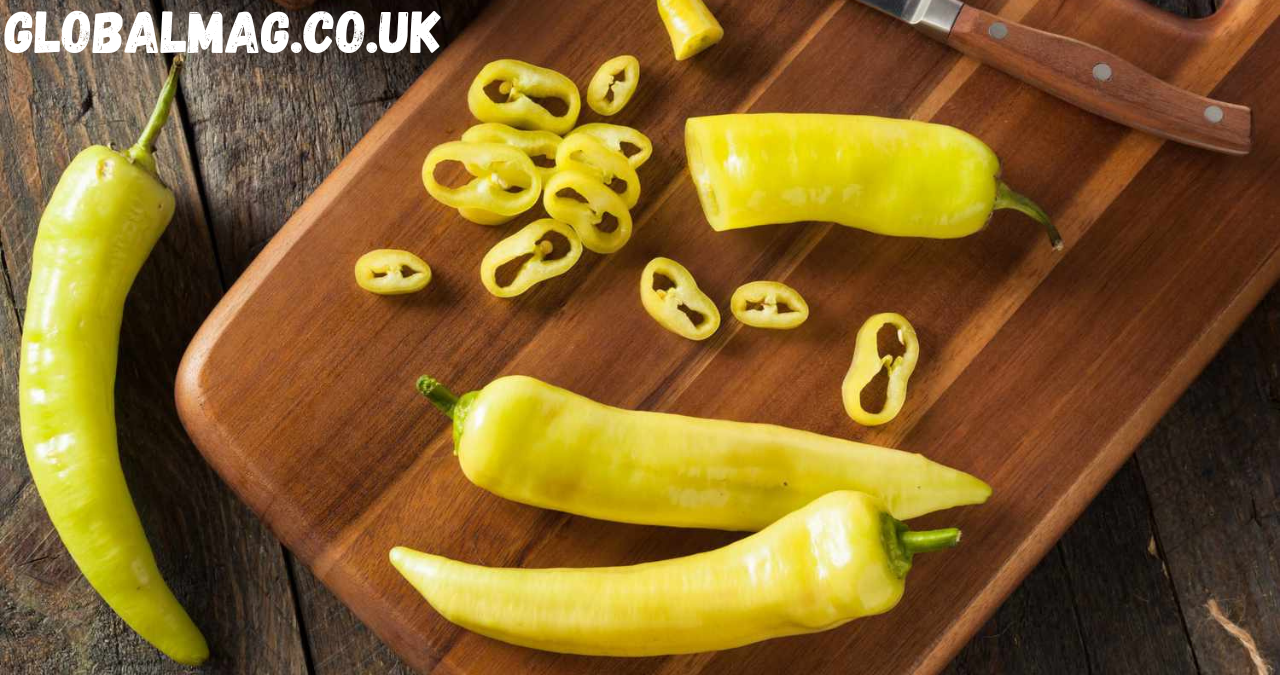
Banana peppers are a vibrant and versatile ingredient that has found a permanent place in kitchens around the world. Recognized by their long, curved shape and bright yellow color, these peppers resemble bananas, which is how they earned their name. They are widely appreciated for their mild flavor, gentle sweetness, and slight tang that can enhance a variety of dishes. Whether served fresh, pickled, or cooked, banana peppers provide a pleasant flavor boost without overwhelming heat.
One reason banana peppers are so popular is their accessibility and flexibility in cooking. They are commonly used as toppings for sandwiches, pizzas, salads, and burgers. Their crisp texture and refreshing flavor make them a favorite in both home cooking and restaurant menus. Because they are usually mild, they appeal to people who want the taste of peppers without the intense heat associated with other varieties like jalapeños or habaneros.
Another appealing aspect of banana peppers is their ability to complement a wide range of cuisines. From Mediterranean salads to American deli sandwiches, these peppers adapt easily to different culinary traditions. They can be eaten raw for a crunchy bite, sautéed for a slightly sweeter taste, or pickled to create a tangy condiment that lasts for months.
In this article, you will explore everything you need to know about banana peppers. From their origins and nutritional benefits to growing tips and culinary uses, this comprehensive guide will help you understand why these colorful peppers deserve a spot in your kitchen and garden.
What Are Banana Peppers?
Banana peppers are a type of chili pepper known for their elongated shape, smooth skin, and bright yellow color. Typically measuring between four and six inches long, these peppers have a slightly curved appearance that resembles a banana. Their thin skin and crunchy flesh make them easy to slice and incorporate into many recipes. Although they are technically part of the chili pepper family, most banana peppers are mild and contain very little heat.
The flavor of banana peppers is one of their most distinctive features. They offer a mild sweetness combined with a gentle tang that can brighten almost any dish. Some varieties are sweeter, while others have a mild kick that adds subtle spice without overpowering the meal. This balanced flavor profile makes banana peppers especially appealing to people who enjoy peppers but prefer to avoid extremely spicy foods.
Banana peppers are often compared with other similar peppers, such as pepperoncini or Hungarian wax peppers. While these peppers may look similar, their taste and heat levels can vary significantly. Pepperoncini, for example, are typically more tangy and slightly more bitter, while Hungarian wax peppers tend to be much hotter. Banana peppers, on the other hand, usually fall on the mild end of the spice spectrum.
Because of their mild flavor and appealing appearance, banana peppers have become a common ingredient in grocery stores and farmers markets. They are easy to grow, easy to cook with, and incredibly adaptable, making them a favorite among gardeners and chefs alike.
Nutritional Value of Banana Peppers
Banana peppers are not only flavorful but also highly nutritious. These peppers are low in calories, making them a great addition to a healthy diet. A single serving of banana peppers contains only a small number of calories while still providing essential vitamins and nutrients. This makes them an ideal ingredient for people who want to add flavor and texture to meals without significantly increasing calorie intake.
One of the most important nutrients found in banana peppers is vitamin C. This vitamin plays a crucial role in supporting the immune system and helping the body fight infections. Banana peppers also contain vitamin A, which contributes to healthy vision and skin, as well as vitamin B6, which supports brain function and metabolism. These nutrients help make banana peppers a valuable component of a balanced diet.
In addition to vitamins, banana peppers provide antioxidants that help protect the body from oxidative stress. Antioxidants work by neutralizing harmful molecules called free radicals, which can damage cells and contribute to aging and disease. By including antioxidant-rich foods like banana peppers in your diet, you may support overall health and wellness.
Another nutritional advantage of banana peppers is their fiber content. Dietary fiber supports digestion and helps maintain a healthy gut. Fiber can also help people feel full longer, which may assist with weight management. Because they are nutritious, low in calories, and rich in beneficial compounds, banana peppers are an excellent choice for anyone looking to improve their diet.
Types of Banana Peppers
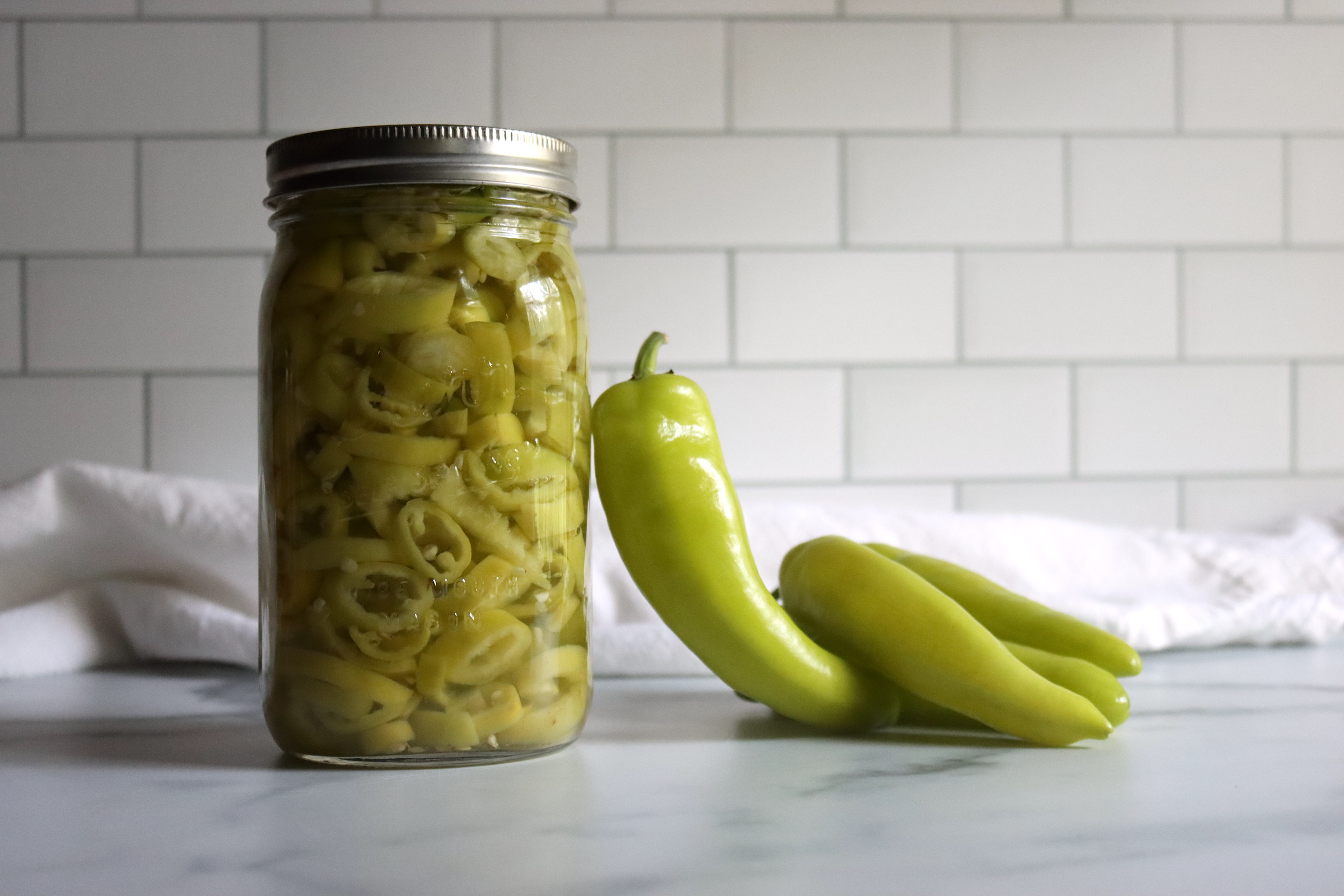
Banana peppers are generally divided into two main categories: sweet banana peppers and hot banana peppers. Sweet banana peppers are the most common variety found in grocery stores and restaurants. They are known for their mild flavor and lack of heat, making them suitable for a wide range of dishes. These peppers are often sliced and used as toppings for sandwiches, salads, and pizzas.
Hot banana peppers, on the other hand, contain a higher level of heat. While they are still milder than many other chili peppers, they provide a noticeable spicy kick. This makes them popular among people who enjoy a bit of heat without overwhelming intensity. The difference in heat level between sweet and hot banana peppers is measured using the Scoville heat scale, which is used to rate the spiciness of peppers.
There are also several cultivated varieties of banana peppers that have been developed to enhance specific characteristics. Some varieties are bred for increased sweetness, while others are grown for larger size or greater productivity in gardens. These hybrid varieties give gardeners and farmers more options when selecting peppers to grow.
Regardless of the type, banana peppers share many common qualities. They are generally easy to grow, produce abundant harvests, and thrive in warm climates. Their variety allows cooks to choose the perfect pepper for their desired level of sweetness or spice.
Culinary Uses of Banana Peppers

Banana peppers are incredibly versatile in the kitchen. One of the most popular ways to enjoy them is raw. Fresh banana peppers can be sliced into thin rings and added to sandwiches, wraps, and salads. Their crisp texture and slightly tangy flavor add brightness and crunch, making simple dishes more exciting.
Another common use for banana peppers is as a topping for pizza and burgers. When cooked, banana peppers become slightly softer and sweeter while still maintaining their distinctive tang. This makes them an excellent complement to rich ingredients like melted cheese, grilled meats, and tomato sauce. Their mild flavor blends well with other toppings without overpowering the dish.
Pickled banana peppers are perhaps the most widely recognized form of this ingredient. The pickling process enhances their tangy flavor and allows them to be preserved for longer periods. Pickled banana peppers are commonly served with sandwiches, hot dogs, nachos, and deli platters. Their acidity can help balance rich or fatty foods, making them a valuable addition to many meals.
Banana peppers can also be stuffed, roasted, or sautéed. Stuffed banana peppers filled with cheese, meat, or grains create a satisfying and flavorful dish. Because their walls are relatively thin, they cook quickly and absorb the flavors of the ingredients they are paired with. This adaptability makes banana peppers a favorite among creative cooks.
Conclusion
Banana peppers are a colorful, flavorful, and highly versatile ingredient that can enhance a wide variety of dishes. Their mild sweetness and gentle tang make them appealing to many different palates, while their crisp texture adds a satisfying bite to meals. Whether eaten fresh, cooked, or pickled, banana peppers offer a unique flavor that brightens everything from salads to sandwiches.
Beyond their culinary appeal, banana peppers also provide valuable nutritional benefits. Rich in vitamins, antioxidants, and fiber, they support overall health while remaining low in calories. This combination of flavor and nutrition makes them an excellent addition to a balanced diet.
Another advantage of banana peppers is how easy they are to grow and incorporate into everyday cooking. Gardeners appreciate their reliable harvests, while cooks enjoy their versatility in both simple and complex recipes. With so many uses and benefits, it is no surprise that banana peppers remain a favorite ingredient in kitchens around the world.
FAQs
1. Are banana peppers spicy or sweet?
Most banana peppers are mild and slightly sweet, although some varieties can have a mild spicy kick.
2. What is the difference between banana peppers and pepperoncini?
Banana peppers are typically sweeter, while pepperoncini are more tangy and slightly bitter.
3. Can banana peppers be eaten raw?
Yes, banana peppers are commonly eaten raw in salads, sandwiches, and wraps.
4. Do banana peppers turn red when ripe?
Yes, if left on the plant long enough, banana peppers will change from yellow to orange and eventually red.
5. How long do banana peppers last in the refrigerator?
Fresh banana peppers can usually stay fresh in the refrigerator for about one to two weeks.