Gorgonzola Cheese: A Journey Through Time and Terroir
To understand Gorgonzola cheese is to embark on a voyage through the rolling hills of Northern Italy, where history and microbiology intertwine to create something truly extraordinary. This celebrated blue cheese, named after a small town just outside Milan, boasts a lineage that is both ancient and shrouded in pastoral legend. While its precise origins are debated, with tales often featuring forgotten curds in damp caves, historical records firmly place its birth in the Early Middle Ages, around the 9th century. The unique conditions of the Po Valley—its specific humidity, the quality of the local milk, and the indigenous molds floating in the air—provided the perfect crucible for this cheese’s development. It wasn’t merely invented; it was discovered by the environment itself, a delicious accident of nature that cheesemakers learned to cultivate and perfect over a thousand years.
The very essence of Gorgonzola Cheese is protected and defined by its legal status. Since 1955, it has enjoyed the prestigious Denominazione di Origine Protetta (DOP) label, a European Union designation that safeguards its heritage and production methods. This certification is far from a mere formality; it is a strict rulebook that guarantees authenticity. True Gorgonzola can only be produced in designated regions of two Italian provinces: Piedmont and Lombardy. The milk must come from cows raised in these zones, and the entire aging process, known as stagionatura, must occur within the defined territory. This deep connection to terroir—the unique combination of soil, climate, and tradition—is what makes Gorgonzola impossible to replicate elsewhere. Every wheel carries within it the taste of a specific Italian landscape, a promise of place you can savor.
Crafting the Character of Gorgonzola Cheese
The transformation of simple milk into veined, pungent Gorgonzola Cheese is a fascinating process that balances artistry with precise science. It begins, as all great cheeses do, with supremely high-quality, pasteurized whole milk from the designated zones. The cheesemaking process is initiated with the addition of lactic ferments and, crucially, spores of the penicillin molds. For the milder Gorgonzola Dolce, Penicillium glaucum is used, while the sharper Gorgonzola Piccante employs Penicillium roqueforti. The curds are then gently broken and placed into molds to drain, but they are not pressed. This key step leaves the curds loose and crumbly, creating the essential air pockets that will allow the mold to breathe and grow during aging.
The magic truly happens in the aging cellars, or cantine. After a brief initial period, each wheel undergoes a process called “needling.” Skilled artisans pierce the formed cheese with long, thin metal needles, creating a network of channels from the rind to the interior. This is not an act of vandalism but one of invitation. It allows oxygen to penetrate the heart of the cheese, activating the dormant mold spores. The molds feast on the fats and proteins in the cheese, producing the characteristic blue-green marbling and developing the complex flavors and aromas we associate with Gorgonzola Cheese. For Dolce, aging is a brief 50 to 60 days, resulting in a soft, spreadable texture. Piccante, however, is aged for a minimum of 80 days and often much longer—three months, six months, or more—allowing for a firmer, crumblier paste and a much more intense, spicy personality.
The Distinct Personalities of Gorgonzola Cheese Varieties
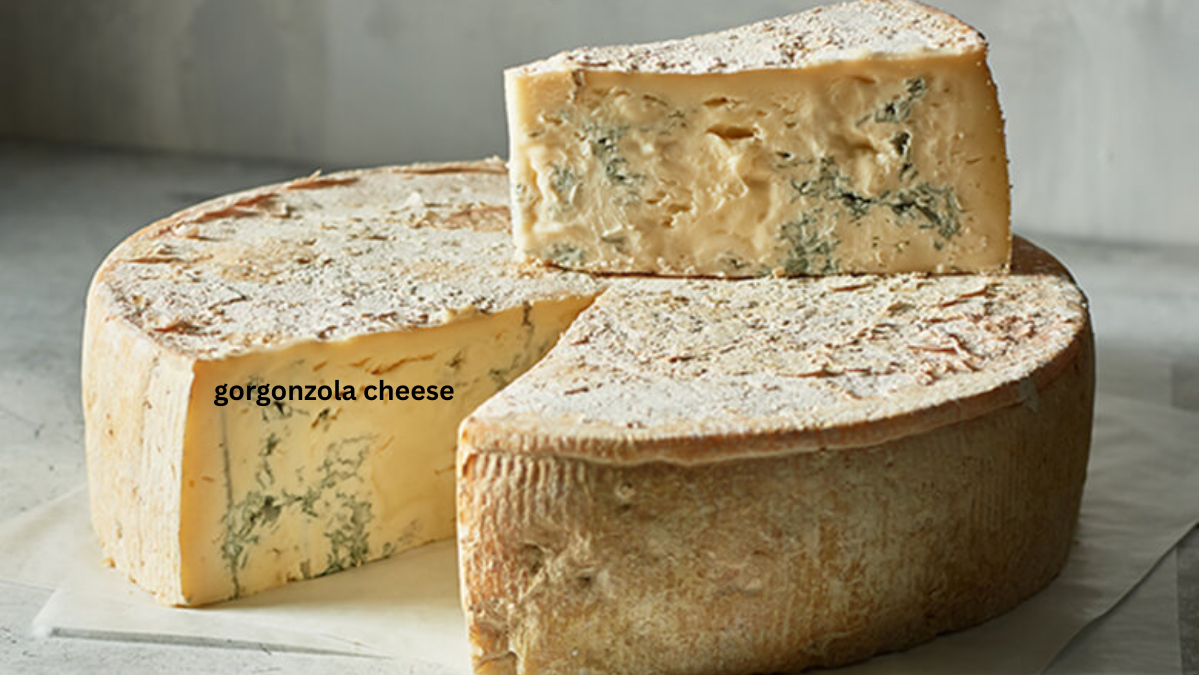
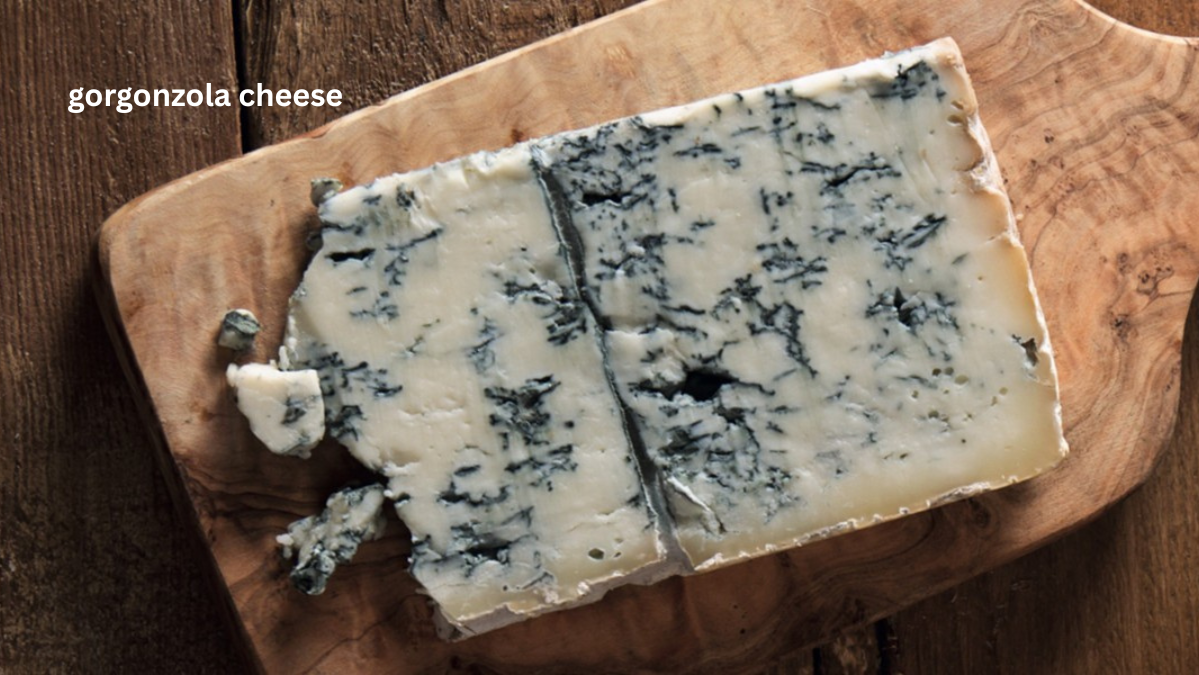
Not all Gorgonzola cheese is created equal, and its two primary personalities offer distinctly different experiences for the palate. Gorgonzola Dolce, which translates to “sweet,” is the younger, milder incarnation. Its ivory-colored paste is soft, almost buttery, and can be wonderfully spreadable at room temperature. The blue veining is more subdued, both in color and flavor, offering a gentle tang rather than a sharp punch. The dominant notes are creamy, milky, and slightly sweet, with a subtle lactic sharpness and a whisper of salt. Dolce is the gateway Gorgonzola, an accessible blue cheese that wins over those who might be hesitant about more aggressive varieties. Its luxurious texture makes it perfect for spreading on crusty bread, melting into risottos, or crumbling over a fresh pear and arugula salad, where it complements rather than dominates.
On the other end of the spectrum lies Gorgonzola Cheese Piccante, also known as Gorgonzola Naturale or Mountain Gorgonzola. This is the older, wiser, and far more assertive sibling. With its extended aging, the paste becomes firm, dense, and crumbly. The blue marbling is more pronounced, often darker and more pervasive, and the flavor profile is intensely complex. Expect a bold, robust tang, a pronounced spicy kick (the “piccante” meaning “spicy”), and deep savory, salty notes. The aroma is stronger, earthier, and unmistakably pungent. This is a cheese for connoisseurs, one that demands attention and pairs beautifully with robust companions. A chunk of Piccante alongside a drizzle of chestnut honey, a handful of walnuts, and a full-bodied red wine like Barolo or a sweet dessert wine like Port creates a symphony of contrasting and complementary flavors that is truly unforgettable.
From Market to Table: Selecting and Storing Your Gorgonzola Cheese
Bringing a piece of authentic Gorgonzola Cheese into your home begins with knowing how to select it. Whenever possible, purchase from a reputable cheesemonger who can provide specific details about the age and provenance of the wheel. Look for the official DOP seal on the rind or packaging—this is your guarantee of authenticity. For Gorgonzola Dolce, the rind should be thin, pinkish-gray, and slightly moist. The cheese inside should give gently to pressure. For Piccante, the rind is thicker, firmer, and browner. Avoid any cheese with excessive ammonia odors, cracked rinds, or discoloration around the blue veins. If buying pre-packaged, check for a firm, intact package without excessive moisture or weeping.
Proper storage is critical to maintaining the cheese’s character and preventing spoilage. Once home, remove any plastic wrap. The best method is to re-wrap the cheese in fresh parchment or wax paper, and then loosely place it in a sealed container or a resealable bag in the vegetable drawer of your refrigerator, which offers a more stable, humid environment. This allows the cheese to breathe while protecting it from drying out or absorbing other flavors. Bring your Gorgonzola to room temperature at least 30 minutes before serving. This simple step is non-negotiable; it allows the fats to soften and the full spectrum of aromas and flavors to emerge, transforming it from a cold, muted block into the complex, expressive culinary treasure it is meant to be.
Culinary Masterpieces with Gorgonzola Cheese
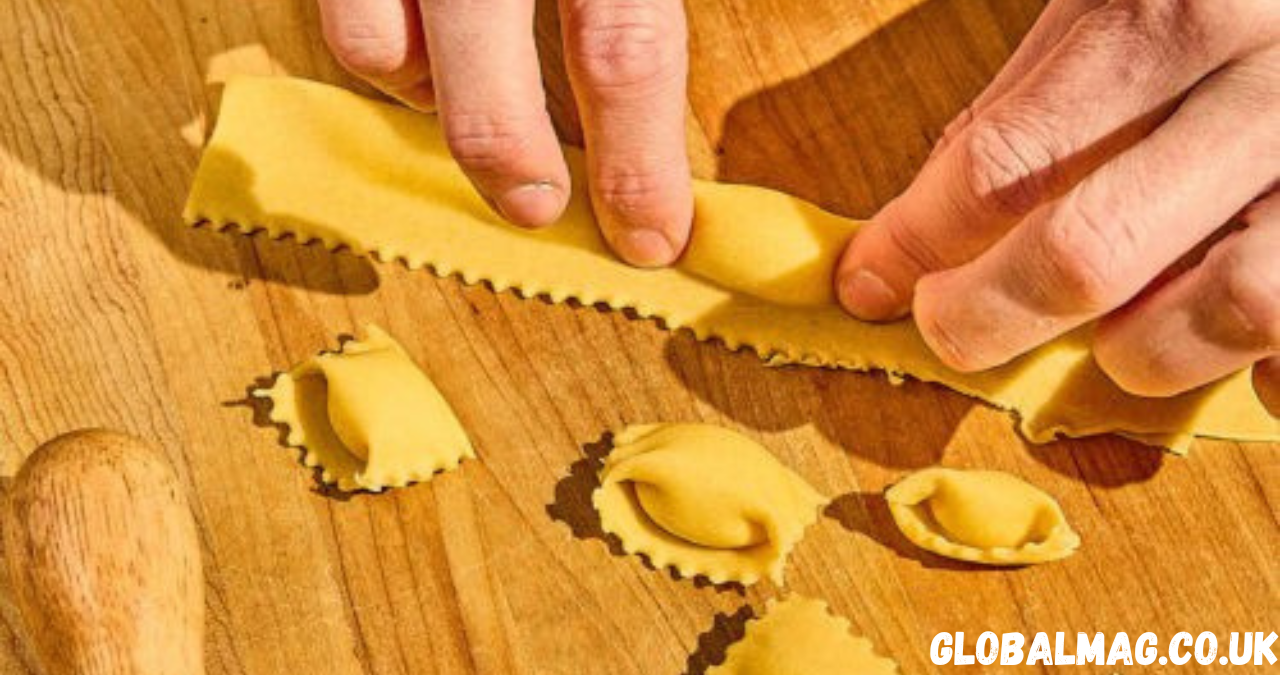
The culinary applications of Gorgonzola cheese are as vast as its flavor is bold. Its unique ability to melt into a creamy, tangy sauce makes it a superstar in pasta dishes. A classic Gorgonzola e Pere sauce—simply cream, aged cheese, and ripe pear—tossed with fresh tagliatelle is a dish of sublime simplicity and elegance. Beyond pasta, it elevates risotto to new heights, stirred in at the last moment to create a luxuriously creamy risotto al Gorgonzola. As a table cheese, its role is equally impressive. Create a stunning cheese board by pairing Dolce with fresh figs, honey, and a sparkling Prosecco, or match Piccante with dried cherries, dark chocolate, and a bold Amarone wine. The contrasts between sweet, salty, creamy, and crunchy showcase the cheese’s versatility.
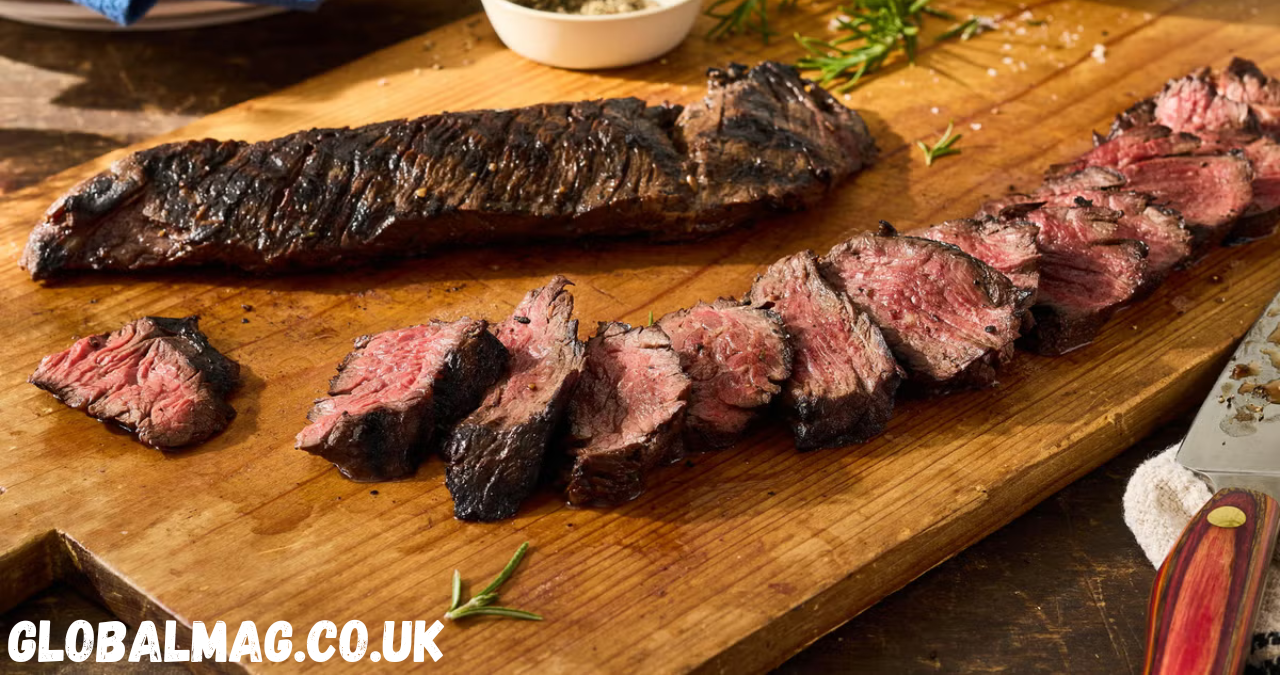
Gorgonzola Cheese also shines in more rustic and innovative preparations. Crumble it over a steak straight off the grill for an instant, decadent sauce, or stuff it into juicy burgers. It transforms a simple green salad into something spectacular, particularly when paired with bitter greens like radicchio or endive, sweet elements like candied pecans, and a tart vinaigrette. Don’t neglect its potential in baking; folded into a savory bread dough or baked into flaky pastry puffs, it becomes a warm, oozing delight. The key to cooking with Gorgonzola is understanding which type to use: Dolce for creamy, integrated sauces and subtle flavors; Piccante when you want a distinct, pungent presence that stands up to other strong ingredients.
The Cultural and Nutritional Footprint
Gorgonzola Cheese is more than a food item in Italy; it is a cultural icon, a point of regional pride, and a centerpiece of social and culinary traditions. Autumn festivals in its home regions celebrate the stagionatura, the new season’s cheese. It is a staple on the tables of osterie and fine dining restaurants alike, representing the Italian philosophy of campanilismo—pride in one’s local bell tower. Its intense flavor embodies the Italian appreciation for bold, honest, and unadulterated taste. From a nutritional perspective, Gorgonzola Cheese, like many aged cheeses, is energy-dense, rich in high-quality protein and calcium, which are crucial for bone health. It also contains bioactive peptides formed during aging, which some studies suggest may have beneficial properties.
However, it is also high in saturated fat and sodium, so moderation is key. It offers a good source of vitamins like B2, B6, B12, and Vitamin A. The blue molds themselves are not only safe but are part of what defines the cheese; they contribute to its unique character and are entirely edible. For those with penicillin allergies, it is advisable to consult a doctor, though the molds in cheese are different strains from those used in antibiotic medicine. Ultimately, enjoying Gorgonzola is about savoring quality over quantity, appreciating the craftsmanship in each bite, and understanding its role as part of a balanced, varied diet that celebrates exceptional ingredients.
Conclusion
Gorgonzola cheese stands as a magnificent testament to the power of place, time, and tradition. From its misty origins in the Italian north to its protected status as a DOP treasure, every aspect of its story contributes to its unparalleled character. The gentle, buttery embrace of Gorgonzola Dolce and the sharp, spicy proclamation of Gorgonzola Cheese Piccante offer two sides of a delicious coin, ensuring there is a variety for every mood and occasion. Mastering its selection, storage, and culinary use unlocks a world of gourmet possibility, allowing this ancient cheese to transform everyday meals into celebrations. More than just a condiment or a course, Gorgonzola is an experience—a bold, beautiful, and unforgettable taste of Italian history and artistry that continues to captivate palates around the globe.
Frequently Asked Questions (FAQs)
What is the main difference between Gorgonzola and other blue cheeses like Roquefort or Stilton?
The primary differences lie in the type of milk used, the specific mold strains, and the terroir. Gorgonzola is made from cow’s milk, while Roquefort is made from sheep’s milk and Stilton from cow’s milk. Each uses different Penicillium mold strains, resulting in distinct flavor profiles. Roquefort is typically sharper and saltier, Stilton is earthier and less moist, and Gorgonzola ranges from sweet and creamy to sharp and crumbly. The legally protected production regions for each also impart unique characteristics.
Can I eat the rind of Gorgonzola cheese?
The rind of Gorgonzola is technically edible, as it is a natural part of the aging process. However, it is often thick, tough, and can have a bitter, intense flavor compared to the interior paste. Most people choose not to eat it, but a small piece won’t harm you. It’s ultimately a matter of personal preference.
Why does my Gorgonzola sometimes have a strong ammonia smell?
A slight ammonia scent can be normal, especially in older, well-aged Piccante varieties, as it’s a byproduct of the breakdown of proteins by mold and bacteria. However, a very strong, overpowering ammonia odor usually indicates the cheese is past its prime and may have been stored improperly. If the smell is off-putting and the texture is overly slimy or discolored, it’s best to discard it.
Is Gorgonzola cheese suitable for vegetarians?
Traditional Gorgonzola DOP uses animal rennet (an enzyme from calves’ stomachs) to coagulate the milk, making it unsuitable for strict vegetarians. However, some producers outside the DOP regulations or making milder “Gorgonzola-style” cheeses may use microbial or vegetable rennet. Always check the label or ask the cheesemonger if you require a vegetarian version.
How long does an opened piece of Gorgonzola last in the refrigerator?
Properly stored in parchment paper inside a sealed container, a piece of Gorgonzola can last for up to 3-4 weeks. You may need to trim off a very thin layer from the cut surface if it becomes dry or discolored. Always trust your senses—if it develops an unpleasant odor, excessive mold (other than the blue veins), or a slimy texture, it should be discarded.