Introduction to Hanger Steak
Hanger steak is one of the most flavorful and underrated cuts of beef, often praised by chefs and meat lovers for its rich taste and tender texture. While it may not be as widely recognized as cuts like ribeye or sirloin, hanger steak has gained increasing popularity in restaurants and home kitchens alike. Its bold beefy flavor, unique texture, and versatility in cooking make it a standout choice for anyone looking to elevate their steak experience.
One reason hanger steak is so special is its limited availability. Each cow produces only one hanger steak, which contributes to its reputation as a rare and prized cut. Historically, butchers often kept this cut for themselves rather than selling it to customers, which is why it is sometimes called the “butcher’s steak.” Today, however, its growing popularity has made it easier to find at specialty butcher shops and high-quality grocery stores.
Another factor that makes hanger steak appealing is its versatility. It can be grilled, pan-seared, broiled, or even cooked using modern techniques like sous vide. The cut absorbs marinades exceptionally well and pairs beautifully with a variety of seasonings, sauces, and side dishes. Whether served simply with salt and pepper or dressed with vibrant sauces like chimichurri, hanger steak delivers a memorable dining experience.
This guide will explore everything you need to know about hanger steak, including what it is, how it compares to other cuts, how to select and prepare it, and the best cooking methods. By understanding the unique qualities of this cut, you can confidently prepare hanger steak at home and enjoy its exceptional flavor.
What Is Hanger Steak?
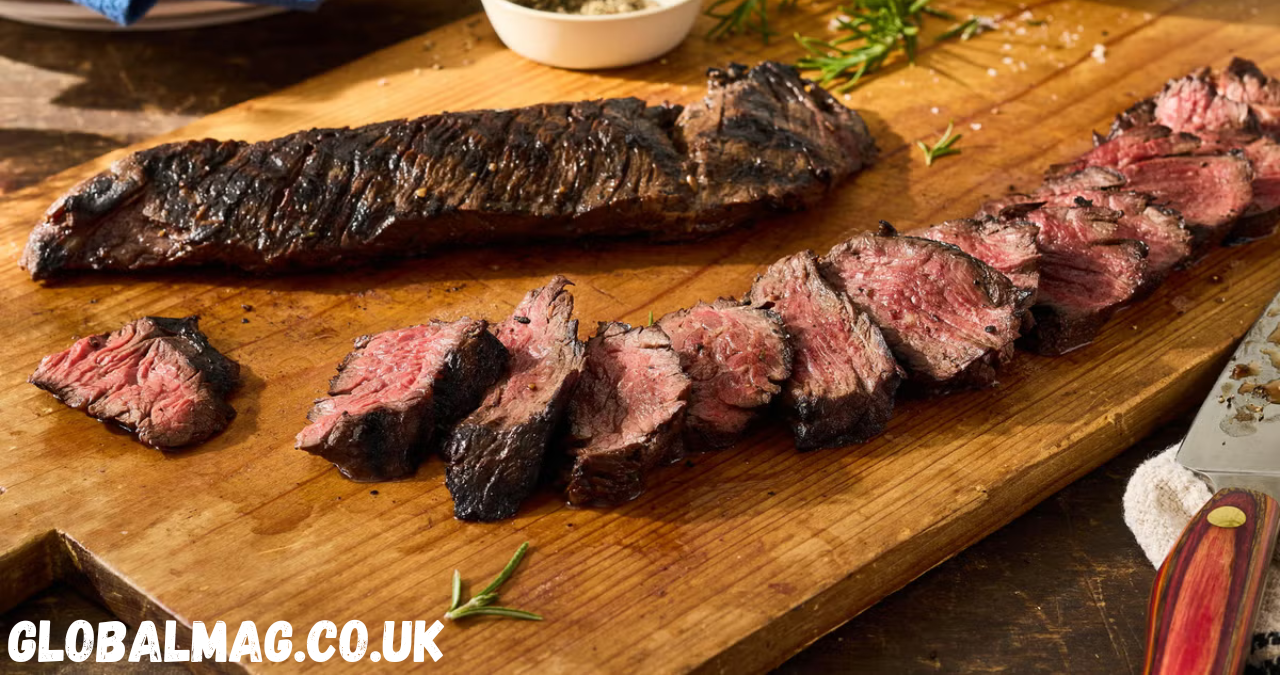
Hanger steak is a specific cut of beef taken from the plate section of the cow, located near the diaphragm between the rib and the loin. The muscle essentially “hangs” from the diaphragm, which is how it gets its name. Because the muscle does not do much work during the animal’s life, it remains relatively tender compared to other cuts from the same region. However, it still has a distinctive grain and structure that gives it a satisfying bite.
One unique feature of hanger steak is that there is only one per cow. Unlike other cuts that produce multiple steaks, the hanger steak is a single muscle that must often be divided into two smaller pieces after trimming. This limited supply contributes to its reputation as a specialty cut. While it was once mostly known among professional butchers and chefs, it has gradually become more popular with home cooks as people discover its incredible flavor.
In terms of flavor, hanger steak is known for its deep, beefy taste that many people consider stronger and richer than other steak cuts. It contains moderate marbling, which helps keep the meat juicy during cooking. When cooked properly, the steak is tender with a slightly coarse texture that absorbs marinades and seasonings extremely well.
Another notable characteristic is the thick membrane running through the center of the steak. This membrane is tough and should be removed before cooking. Once trimmed, the two halves of the steak are ready to be seasoned and cooked using a variety of methods. Understanding this structure helps cooks prepare hanger steak correctly and achieve the best possible results.
Hanger Steak vs. Other Beef Cuts
Hanger steak is often compared with other popular cuts such as skirt steak, flank steak, and ribeye. While these cuts may look similar at first glance, they differ significantly in flavor, tenderness, and cooking methods. Understanding these differences can help cooks choose the best cut for their recipes and cooking style.
Compared to skirt steak, hanger steak is generally thicker and more tender. Skirt steak comes from the diaphragm area as well but has a looser structure and a more pronounced grain. While both cuts are known for their bold beef flavor, hanger steak typically has a richer taste and a softer texture when cooked to medium-rare. Because of this, hanger steak is often preferred for dishes where the meat itself is the star.
Flank steak is another cut that is frequently compared to hanger steak. Flank steak is leaner and slightly tougher, which means it usually benefits from marinating and careful slicing against the grain. Hanger steak, on the other hand, naturally has more tenderness and juiciness. While both cuts work well for grilling and slicing for dishes like steak salads or tacos, hanger steak often delivers a more luxurious texture.
When compared with ribeye, hanger steak offers a very different experience. Ribeye is known for its high fat content and heavy marbling, which create a buttery richness. Hanger steak has less fat but compensates with a deeper, more concentrated beef flavor. It is also usually more affordable than premium cuts like ribeye, making it a great choice for those who want exceptional flavor without the higher price.
Preparing Hanger Steak Before Cooking
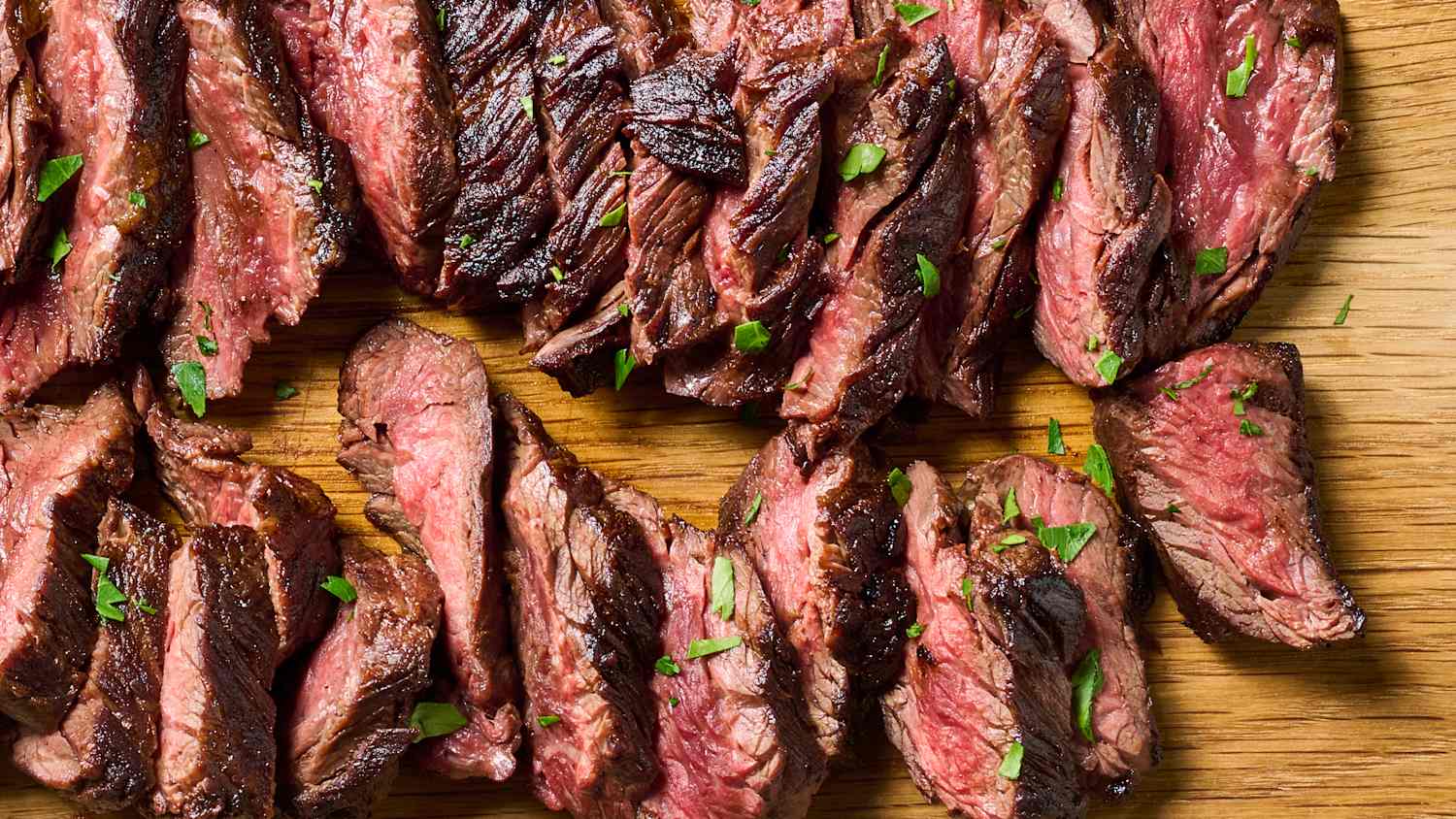
Proper preparation is essential to bring out the best qualities of hanger steak. One of the most important steps is trimming the central membrane that runs through the middle of the cut. This membrane is tough and chewy, and if it is not removed, it can negatively affect the eating experience. Most butchers remove this membrane before selling the steak, but if it is still present, it should be carefully trimmed with a sharp knife.
Another important preparation step is marinating. While hanger steak is naturally flavorful, it benefits greatly from marinades because of its loose muscle fibers. Marinades help tenderize the meat and add layers of flavor. Common ingredients in marinades include olive oil, garlic, soy sauce, vinegar, citrus juice, and herbs. Allowing the steak to marinate for several hours or overnight can significantly enhance its taste.
Even if you choose not to use a marinade, seasoning the steak properly is essential. A simple combination of salt and freshly ground black pepper can highlight the natural flavor of the meat. Some cooks also add spices such as paprika, garlic powder, or chili flakes for extra depth. Because hanger steak has a strong beef flavor, it pairs well with both simple and bold seasoning profiles.
Before cooking, it is also important to bring the steak to room temperature. Allowing the meat to sit out for about 20 to 30 minutes ensures more even cooking. Patting the steak dry with paper towels helps achieve a good sear, which creates a flavorful crust on the surface while keeping the inside juicy and tender.
Best Cooking Methods for Hanger Steak
:max_bytes(150000):strip_icc()/4529364-butchers-steak-hanger-steak-Chef-John-1x1-1-aa29364833324f898d0b034b6263c6f9.jpg "hanger steak")
Hanger steak is extremely versatile and can be cooked using several methods. One of the most popular techniques is grilling. Grilling allows the steak to develop a delicious charred crust while keeping the interior tender and juicy. High heat is essential for this method, as it quickly sears the outside of the meat without overcooking the inside. Many chefs recommend cooking hanger steak to medium-rare to preserve its tenderness.
Pan-searing is another excellent option, especially for home cooks who may not have access to a grill. Using a heavy skillet, such as cast iron, allows the steak to develop a deep golden-brown crust. During the final moments of cooking, butter, garlic, and herbs can be added to the pan to baste the steak and enhance its flavor. This technique produces restaurant-quality results in a home kitchen.
Broiling is a convenient alternative that mimics the high heat of grilling. By placing the steak close to the heating element in the oven, it cooks quickly and develops a flavorful exterior. This method works particularly well for thicker hanger steaks and is easy to control with a meat thermometer.
Some modern cooks also use sous vide cooking for hanger steak. This technique involves sealing the steak in a vacuum bag and cooking it in a precisely controlled water bath. The steak is then quickly seared in a hot pan to create a crust. Sous vide ensures perfect doneness throughout the meat and is especially useful for achieving consistent results.
Conclusion
Hanger steak is a unique and flavorful cut of beef that deserves far more recognition than it often receives. With its rich taste, tender texture, and versatility in cooking, it offers an exceptional dining experience for anyone who appreciates high-quality steak. Although it was once known primarily among butchers and professional chefs, it has become increasingly popular among home cooks who want to explore different cuts of beef.
Understanding how to properly select, prepare, and cook hanger steak can make a significant difference in the final result. From trimming the central membrane to choosing the right cooking method, each step contributes to unlocking the steak’s full potential. Whether grilled, pan-seared, or cooked sous vide, hanger steak shines when prepared with care and attention.
Another reason hanger steak is so appealing is its ability to pair with a wide range of flavors. It works equally well with simple seasoning or bold marinades and sauces. This adaptability makes it suitable for everything from elegant steak dinners to casual meals like tacos, salads, and sandwiches.
For anyone looking to expand their culinary skills and try something new, hanger steak is an excellent place to start. Its bold flavor, satisfying texture, and relatively quick cooking time make it a rewarding choice for both beginners and experienced cooks.
FAQs
1. What does hanger steak taste like?
Hanger steak has a rich, deep beef flavor that many people consider stronger than other steak cuts.
2. Why is hanger steak called the butcher’s steak?
Historically, butchers often kept this cut for themselves because of its exceptional flavor.
3. Is hanger steak tender?
Yes, when cooked properly and sliced against the grain, hanger steak is quite tender.
4. What is the best doneness for hanger steak?
Medium-rare is generally recommended to maintain tenderness and juiciness.
5. Do you need to marinate hanger steak?
Marinating is optional but can enhance flavor and tenderness.