Introduction to Potato Puns
Potato puns have carved out a special place in the world of humor, blending everyday language with clever wordplay to create jokes that are both comforting and irresistibly funny. At their core, puns rely on double meanings, similar sounds, or playful substitutions, and the humble potato offers a rich vocabulary for all three. From “spud” and “tater” to “mash,” “fry,” and “chip,” the potato provides endless opportunities for creative twists on familiar phrases. Because potatoes are a staple food across cultures, jokes about them feel instantly relatable, making potato puns accessible to audiences of all ages. Whether shared in casual conversation, printed on greeting cards, or posted as social media captions, these puns deliver lighthearted entertainment that rarely goes out of style.
The enduring popularity of potato puns also lies in their versatility. They can be wholesome and kid-friendly, slightly cheeky for adult humor, or even cleverly romantic when the situation calls for it. Food-based humor in general tends to evoke comfort and nostalgia, and potatoes, as a beloved comfort food, amplify that emotional connection. In today’s digital world, where short-form content thrives, potato puns are perfectly suited for memes, captions, and witty one-liners. Their simplicity makes them easy to understand, while their cleverness keeps people engaged. As a result, potato puns have become a staple in playful communication, proving that even the most ordinary vegetable can inspire extraordinary humor.
What Makes a Great Potato Pun?
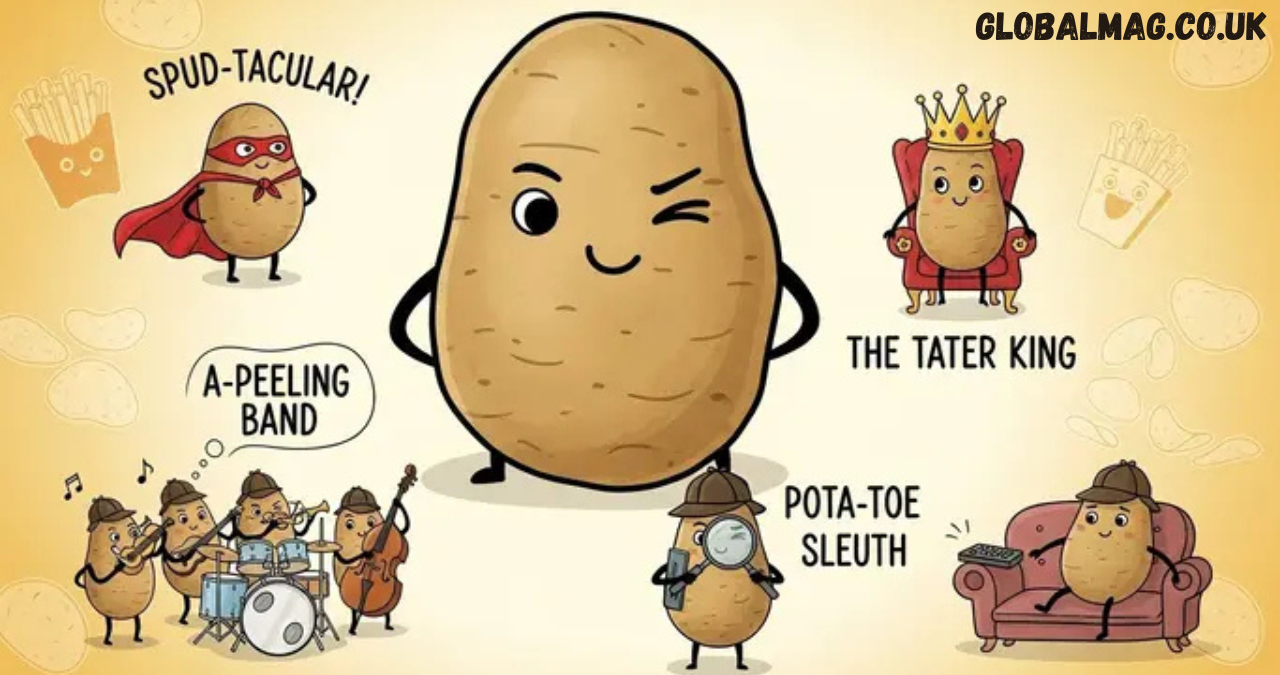
A truly great potato pun starts with a strong understanding of wordplay fundamentals. The most effective puns often rely on homophones—words that sound alike but have different meanings—or on subtle spelling alterations that transform common phrases into something humorous. For example, swapping “later” with “tater” or “spectacular” with “spud-tacular” instantly injects personality into a sentence. Timing and context are equally important. A pun delivered at just the right moment can elevate a simple joke into a memorable punchline. Writers who want to master potato puns should pay close attention to rhythm, clarity, and the natural flow of language, ensuring the joke feels smooth rather than forced.
Beyond technical structure, creativity plays a crucial role in crafting standout potato puns. Brainstorming common potato-related terms such as mash, fries, chips, baked, hash, and sweet potato can spark dozens of clever combinations. The key is to connect these words with everyday expressions, emotions, or trending topics. For instance, turning “I need space” into “I need some mash space” adds an unexpected twist that catches attention. The best potato puns feel effortless, as though the joke was hiding in plain sight all along. By combining linguistic awareness with imagination, writers can consistently produce original, SEO-friendly potato puns that resonate with readers and keep them coming back for more.
Popular Categories of Potato Puns
Potato puns come in many delightful forms, each suited to different occasions and audiences. Classic one-liners are among the most popular because they deliver quick laughs with minimal setup. These short jokes are ideal for captions, text messages, and casual banter. Romantic potato puns, on the other hand, add a sweet and playful touch to relationships. Lines like “I only have eyes for you, my sweet potato” blend affection with humor, making them perfect for Valentine’s Day cards or anniversary notes. Birthday-themed potato puns also shine at parties, adding personality to invitations and decorations with witty phrases that guests won’t forget.
In addition to romantic and celebratory humor, potato puns thrive in family-friendly settings. Kid-friendly jokes keep the language simple and the humor clean, making them suitable for classrooms or lunchbox notes. Social media has also fueled the rise of meme-style potato puns, where clever wordplay is paired with eye-catching visuals. Holiday-themed potato puns, especially around Thanksgiving and winter festivities, capitalize on the vegetable’s strong association with comfort meals. By categorizing potato puns according to occasion, writers can tailor their humor to specific audiences, ensuring their jokes feel relevant, engaging, and perfectly timed.
Potato Puns in Pop Culture and Marketing
The influence of potato puns extends far beyond personal jokes; they have also become powerful tools in marketing and branding. Restaurants, snack companies, and food bloggers frequently incorporate potato wordplay into slogans to create memorable brand identities. A clever pun can make a product stand out in a crowded marketplace, especially when consumers are drawn to playful and relatable messaging. Because potatoes are widely loved, using potato puns in advertising instantly creates a sense of familiarity and warmth. This emotional connection often translates into increased engagement and brand recall, proving that humor can be both entertaining and profitable.
Social media platforms have further amplified the reach of potato puns, turning them into viral sensations. Memes featuring witty captions about fries or mashed potatoes often gain traction because they are easy to understand and share. The visual appeal of golden fries or fluffy mashed potatoes adds another layer of charm, enhancing the comedic impact. Influencers and content creators frequently use potato puns to humanize their brands and connect with followers on a more personal level. In a digital landscape where attention spans are short, a sharp and catchy potato pun can stop scrolling thumbs in their tracks. This cultural presence highlights the surprising power of simple wordplay in shaping modern communication.
How to Create Your Own Original Potato Puns
Creating original potato puns begins with brainstorming and word association. Start by listing common potato-related terms and pairing them with everyday phrases. Think about emotions, popular sayings, and trending expressions that can be reimagined with a potato twist. For example, “small victories” can become “small fry victories,” and “motivated” might transform into “mash-tivated.” This playful substitution technique helps writers discover hidden comedic opportunities within familiar language. It is also helpful to read your puns aloud to ensure they flow naturally and maintain clarity. A joke that sounds awkward may need slight adjustments to improve its rhythm and impact.
Refinement is just as important as creativity. After drafting several potato puns, test them on friends, family, or online audiences to gauge reactions. Pay attention to which jokes spark laughter and which fall flat. Avoid clichés by pushing beyond obvious substitutions and experimenting with unexpected combinations. Writers can also draw inspiration from seasonal events, current trends, or personal experiences to keep their humor fresh and relevant. By practicing regularly and staying open to experimentation, anyone can develop the skill to craft clever, engaging, and highly shareable potato puns that stand out in a crowded digital space.
Conclusion
Potato puns may seem simple at first glance, but their charm lies in their adaptability and universal appeal. From quick one-liners to heartfelt romantic jokes, these playful expressions prove that humor can flourish in the most ordinary subjects. Their presence in marketing, social media, and everyday conversation demonstrates how effective wordplay can capture attention and foster connection. Because potatoes are such a familiar and comforting food, jokes about them naturally resonate with broad audiences, making potato puns a timeless source of entertainment.
For writers, mastering potato puns offers an opportunity to blend creativity with relatability. By understanding the fundamentals of wordplay, exploring diverse categories, and refining original ideas, anyone can turn simple phrases into memorable punchlines. As trends evolve and digital communication continues to prioritize wit and brevity, potato puns remain a reliable and delightful way to spark laughter. In the end, it is clear that when it comes to humor, sometimes the best ideas are rooted in the most down-to-earth ingredients.
FAQs About Potato Puns
1. What is a potato pun?
A potato pun is a humorous play on words that incorporates potato-related terms such as spud, fry, mash, or chip into familiar phrases or expressions.
2. Why are potato puns so popular?
They are relatable, family-friendly, and easy to understand, making them widely appealing across different age groups.
3. How can I create my own potato puns?
Start with common potato terms, combine them with everyday sayings, and experiment with creative substitutions.
4. Are potato puns suitable for kids?
Yes, most potato puns are clean and simple, making them ideal for children and family settings.
5. Can potato puns be used in marketing?
Absolutely. Many brands use food-based wordplay to create memorable slogans and boost audience engagement.